Table Of Contents
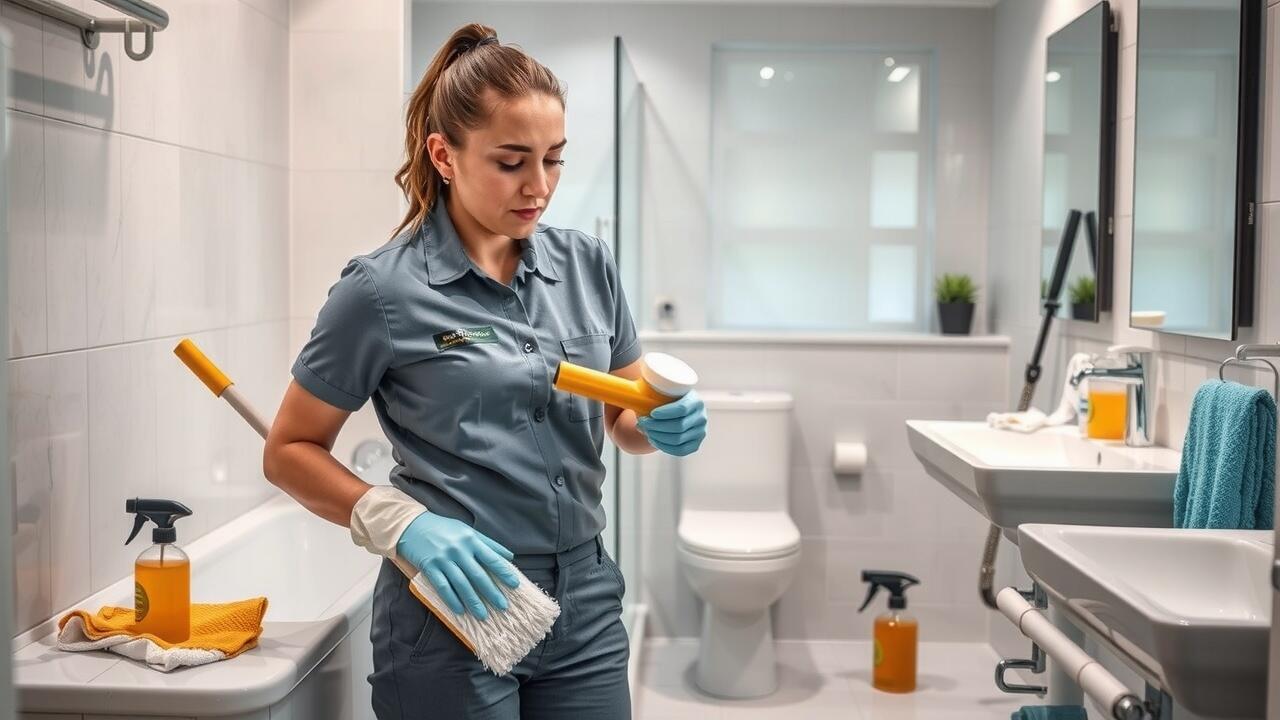
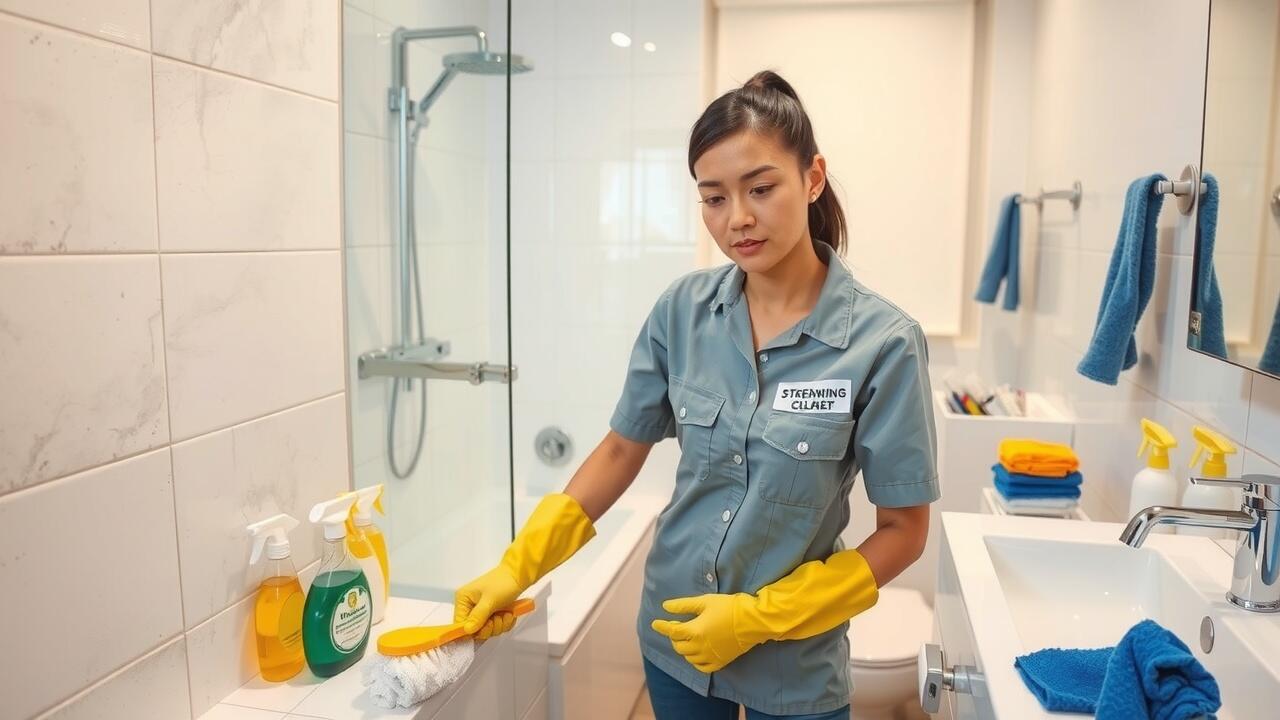
At Flat Fee House Cleaners Sarasota, our Bathroom Cleaning service is designed to ensure your bathroom is not only spotless but also a sanctuary of cleanliness. Our professional team utilizes industry-leading techniques and eco-friendly products to tackle every corner, from scrubbing sinks and toilets to sanitizing showers and tubs. We pay special attention to details like faucets, mirrors, and tiles, leaving your bathroom gleaming and fresh. With our flat fee pricing, you can enjoy exceptional service without any surprise charges, ensuring a stress-free experience tailored to your unique needs. Trust Flat Fee House Cleaners to transform your bathroom into a hygienic retreat you'll love to use.
Maintaining Shower and Bathtub Hygiene
Regular maintenance is crucial for keeping your shower and bathtub free of germs and grime. Soap scum, dirt, and mildew can accumulate quickly, making the space less hygienic. To combat soap scum, consider using a mixture of vinegar and baking soda to break down residue. Spray this solution onto the surfaces and let it sit before scrubbing with a microfiber cloth or toothbrush. This method is effective for tackling stubborn stains on tiles and in the grout. Don’t forget the glass surfaces; a glass cleaner or vinegar diluted with water works well for streak-free shine.
Maintaining cleanliness extends beyond occasional deep cleaning. After each use, a quick rinse of the shower and tub can help prevent mildew and soap scum from forming. Investing in a good-quality shower curtain or liner can also minimize mold growth. Regularly check the showerhead and faucets for mineral buildup and clean them with vinegar as needed. Additionally, keep an all-purpose cleaner ready for any dirt or grime that accumulates while keeping the area looking nice. A well-organized cleaning supply setup in a bucket or spray bottle makes it easy to tackle messes as they arise, ensuring that your bathing space remains welcoming and hygienic.
Preventing Soap Scum Build-Up
Soap scum can be a persistent challenge in maintaining bathroom cleanliness. It often forms due to a combination of minerals in hard water and soap residue. Regularly wiping down surfaces such as shower doors and bathtubs can significantly reduce the buildup. A mixture of dish soap and clean water serves as an effective cleanser for these areas. Using a sponge or a microfiber cloth makes it easier to reach corners and tight spots. For particularly stubborn spots, a combination of hydrogen peroxide and rubbing alcohol can help break down the residue.
Another effective strategy is minimizing moisture in the bathroom. After showering, ensure to open windows or turn on the exhaust fan to reduce humidity levels. Hanging damp towels and rugs to dry immediately can also help control moisture accumulation. Using shower curtains designed to repel water can further prevent scum buildup. Keeping the bathroom ventilated is key in curbing not only soap scum but also odors and potential mold growth. With routine maintenance and the right cleaning agents, you can effectively minimize soap scum and maintain a spotless washroom environment.
Cleaning Bathroom Surfaces Efficiently
To maintain a sparkling bathroom, focusing on surfaces is essential. Begin by gathering the right supplies, such as microfiber cloths and non-abrasive cleaners suited for various materials. For granite countertops, ensure the cleaner is pH-balanced to prevent damage. Use liquid soap and a washcloth to remove soap scum and grime from sinks and counters. Pay close attention to doorknobs, as they are common breeding grounds for viruses and pathogens. Regularly disinfecting these areas helps maintain hygiene.
Cleaning tasks can be tackled systematically. Dust cobwebs from corners and use a duster or cloth on fixtures. For mirrors, a solution of equal parts vinegar and water can be effective, avoiding streaks. When cleaning the bathtub and shower, a mixture of chlorine bleach and water can help eliminate mold and mildew, but always ensure proper ventilation. Consider using a hair dryer to dry surfaces after cleaning, which minimizes moisture content and prevents the return of mildew.
Best Practices for Countertops and Sinks
Countertops and sinks are hotspots for germs, so regular cleaning is essential for maintaining hygiene. Use an all-purpose cleaner or a solution that is EPA Safer Choice certified to effectively eliminate bacteria. A microfiber cloth is ideal for wiping down surfaces, as it can trap dirt without scratching. For tougher stains or grime, a soft-bristled toothbrush can help reach tricky areas, especially around the sink fixtures where dead skin and soap residue tend to accumulate. Pay particular attention to any areas that come into frequent contact with toiletries, as these can harbor odors and build-up over time.
To keep your sinks and countertops looking their best, consider a routine that involves both daily and deeper cleans. For daily upkeep, quickly wipe down surfaces with liquid dish soap and water to prevent build-up. Weekly, a more thorough cleaning with specialized cleaners can help tackle stains and maintain that fresh smell. Avoid using abrasive products that can damage finishes. Regularly inspect faucet handles and doorknobs for grime as well, as these are often neglected during cleaning but are crucial for overall bathroom hygiene. Keep your space organized with a shower caddy for toiletries, ensuring everything is easily accessible and visually pleasing.
Organizing Your Bathroom Cleaning Supplies
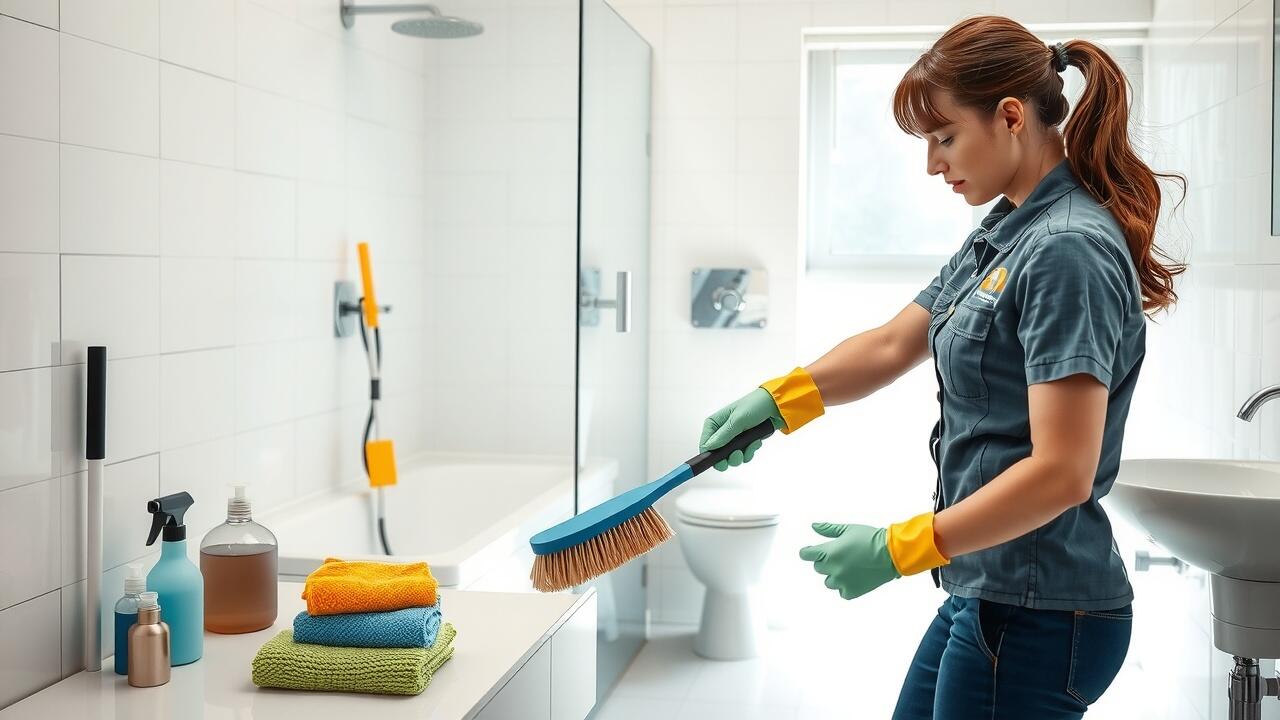
Keeping bathroom cleaning supplies organized is crucial for maintaining efficiency and cleanliness during the task. Utilize a designated caddy or a shelf in a nearby cabinet to store essentials like toilet bowl cleaners, disinfectants, and scrubbers. Consider using clear containers for small items, allowing easy visibility and access. Grouping products by purpose—such as surface cleaners, disinfectants, and floor cleaners—streamlines the cleaning process.
In addition, it can be helpful to keep frequently used items close at hand. Essential tools like cotton swabs for detailed cleaning, microfiber cloths for drying surfaces, and an air freshener can make the cleaning experience more pleasant. Incorporating eco-friendly options, such as natural detergents, enhances safety while reducing the risk of airborne particles. Regularly checking supplies helps prevent last-minute scrambles for toilet paper or cleaning agents.
Essential Items to Keep Handy
Having the right tools and supplies on hand can make bathroom cleaning more efficient and effective. It's beneficial to keep items like paper towels, rags, and sponges readily accessible. These materials can tackle various surfaces from countertops to sinks with ease. Using quality cleaning solutions, such as dish detergent mixed with water or hydrogen peroxide, helps eliminate harmful bacteria like E. coli and reduces the risk of health problems. It's also wise to include bristle brushes or steel wool for tougher stains while ensuring to avoid damaging surfaces.
Organizing a small caddy or basket to hold essentials can streamline the cleaning process. Including trash bags for easy disposal of waste, dustpans for collecting debris, and a lint-free towel for drying surfaces contributes to maintaining a clean environment. Items like dry shampoo for quick refreshes or light bulbs for adequate illumination can enhance overall functionality. Keeping a few makeup wipes or nail polish removers can also help address cosmetic spills quickly, thus maintaining both cleanliness and air quality in the bathroom.
FAQS
How often should I clean my bathroom?
It's recommended to clean your bathroom at least once a week to maintain hygiene and prevent build-up of dirt and germs.
What is the best way to prevent soap scum in the shower?
To prevent soap scum build-up, rinse the shower walls and doors after each use and use a daily shower spray to keep surfaces clean.
What cleaning products are safe to use on countertops and sinks?
Mild, non-abrasive cleaners or a mixture of vinegar and water are safe to use on most countertops and sinks. Always check manufacturer guidelines to ensure compatibility.
How can I keep my bathroom cleaning supplies organized?
Use a caddy or a dedicated storage bin to keep all your cleaning supplies together. Label containers for easy access and store them in a dry area.
Are there any natural alternatives to commercial bathroom cleaners?
Yes, common natural alternatives include vinegar, baking soda, and lemon juice, which can effectively clean and deodorize most bathroom surfaces.