Table Of Contents
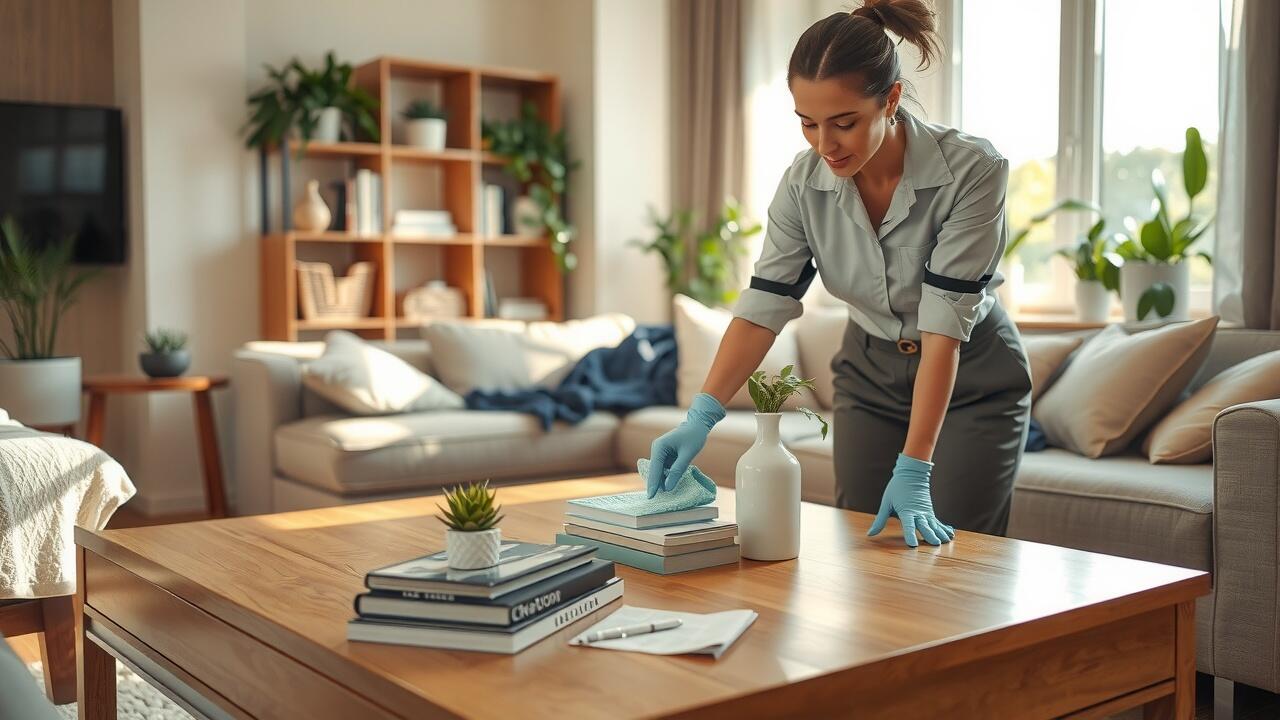
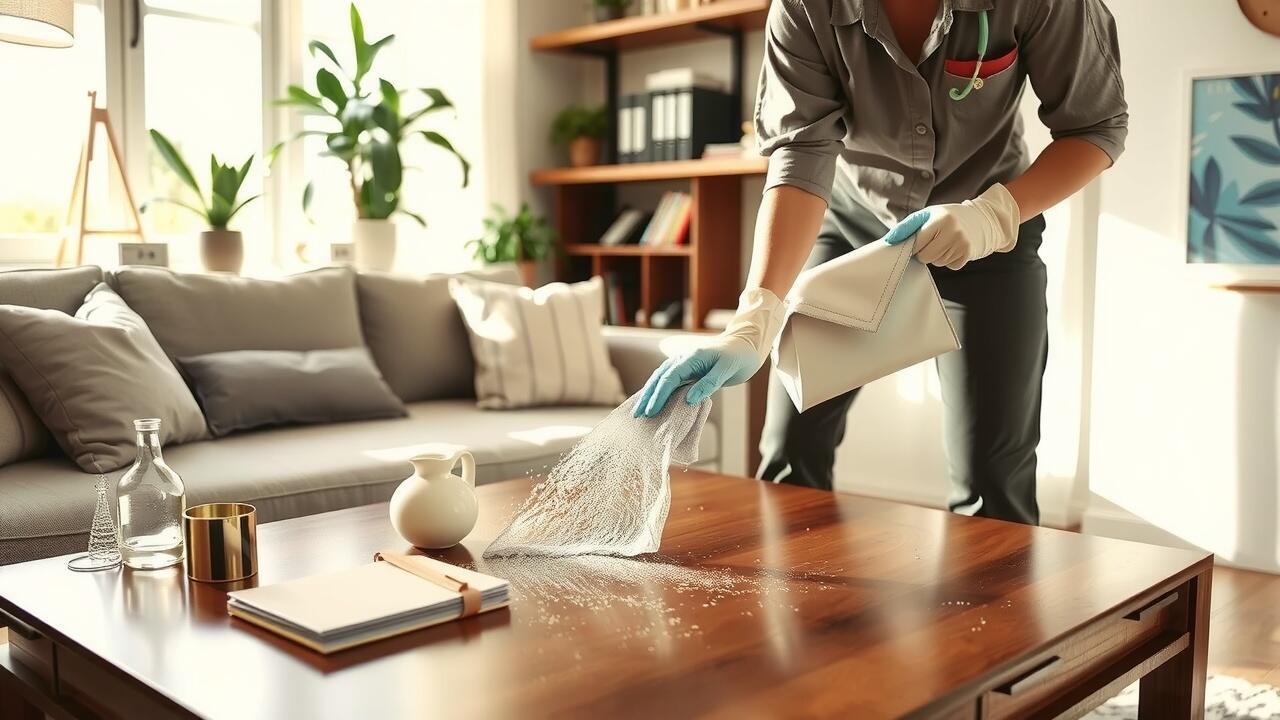
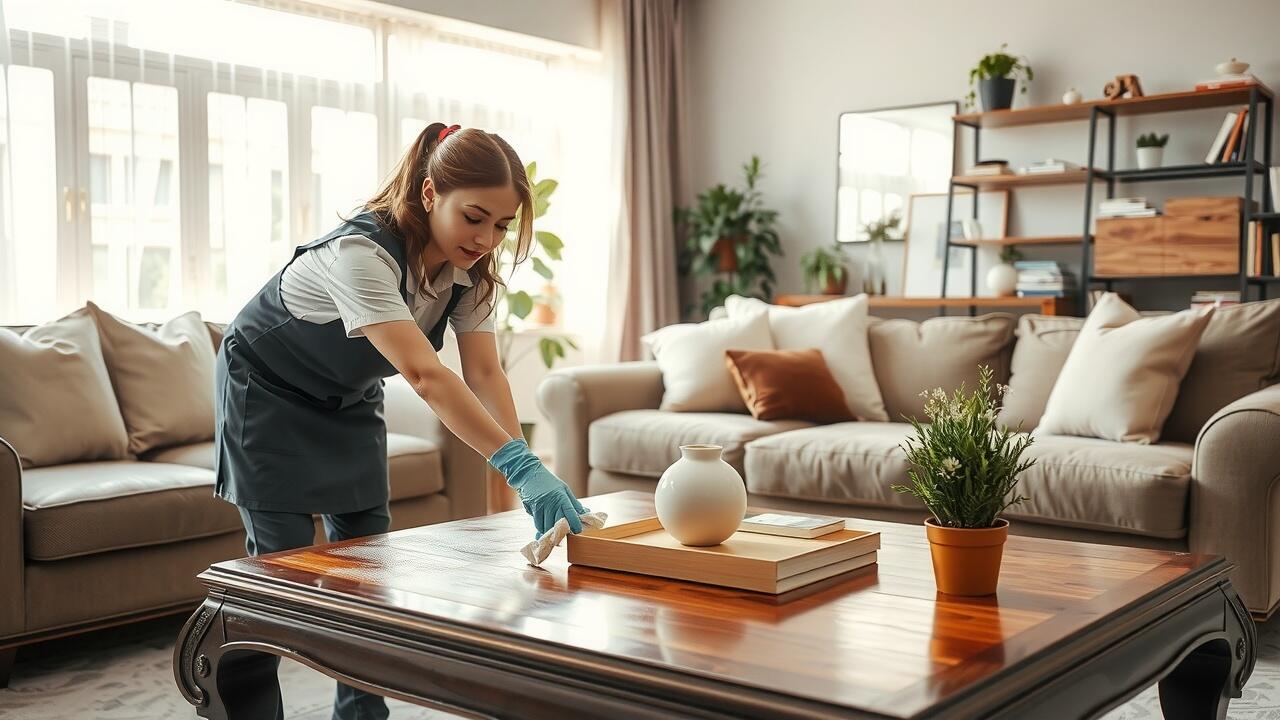
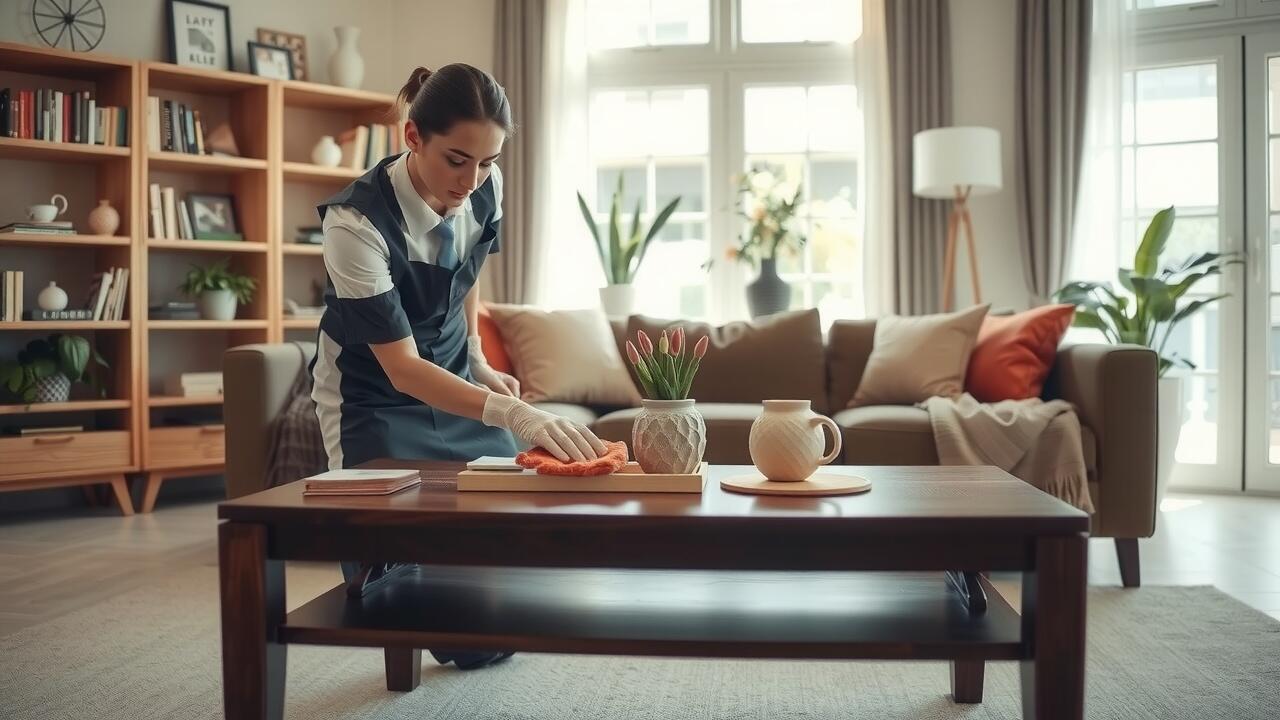
At Flat Fee House Cleaners Sarasota, we understand that dust can accumulate quickly, making your home feel less inviting and potentially affecting your health. Our professional dusting service is designed to tackle all those hard-to-reach areas and surfaces where dust settles, from shelves and baseboards to light fixtures and ceiling fans. Using high-quality tools and eco-friendly products, our trained staff meticulously dusts each room to ensure a clean and refreshing environment. Whether it's a one-time service or part of your regular cleaning routine, we take pride in delivering exceptional results that keep your home looking pristine and welcoming. With our flat fee pricing, you can enjoy a spotless home without any hidden costs or surprises.
Dusting Frequency Recommendations
Establishing a regular dusting routine is essential for maintaining a healthy home environment. High-traffic areas, such as living rooms and entryways, should be dusted weekly to reduce allergens and improve indoor air quality. Rooms where pets reside, including their beds and play areas, may also require more frequent attention due to dander and loose hair. Light fixtures and ceiling fans often collect dust quickly, so it is wise to include them in your routine at least once a month.
Less frequently used spaces, such as guest rooms or storage areas, can be dusted every month or every few months, depending on the level of use. Baseboards and walls may only need to be addressed quarterly but should not be overlooked as they can harbor dust mites and other irritants. Each home is unique, and adjusting your dusting schedule based on specific allergens, occupants, and lifestyle can help optimize your cleaning efforts while promoting better health for everyone.
How Often Should You Dust Different Areas?
The frequency of dusting various areas in a home can significantly impact overall cleanliness and health. High-traffic spaces like the living room and kitchen should be dusted at least once a week. This regularity helps manage allergens and maintains a fresh appearance. Areas that are less frequently used, such as guest rooms or attics, may only require dusting once a month. Keeping track of usage frequency can help homeowners determine an appropriate cleaning schedule.
Dust tends to accumulate quickly, especially in spaces with limited ventilation. Items such as ceiling fans and light fixtures should be cleaned every other week, as they often attract and hold dust particles. Additionally, surfaces that collect dust easily, like electronics and decorative objects, should be wiped down weekly to prevent buildup. Being mindful of individual household dynamics can aid in establishing a personalized dusting routine that caters to specific needs.
Eco-Friendly Dusting Solutions
Choosing eco-friendly dusting solutions benefits both your home and the environment. Many conventional cleaning products contain harsh chemicals that can linger in the air and contribute to indoor air pollution. Switching to natural alternatives can reduce this impact significantly. For instance, a simple mixture of vinegar and water can effectively clean surfaces without leaving harmful residues. Additionally, using microfiber cloths can capture dust more efficiently, reducing the need for chemical-laden sprays.
Natural options also extend to the tools you use. Consider using a damp cloth instead of traditional dusters, which often just move dust around rather than removing it. Essential oils like lavender or lemon can be added to your cleaning solutions. They not only help combat dust but also leave a pleasant aroma. Creating a clean, healthy environment doesn’t have to involve toxic substances; with the right approach, you can maintain a fresh space without compromising your health or the planet.
Utilizing Natural Products for a Cleaner Home
Many homeowners seek effective ways to keep their spaces clean while minimizing exposure to harsh chemicals. Natural products present a great alternative. Items like olive oil and vinegar can be combined to create a powerful dusting solution for furniture surfaces. Essential oils not only add a pleasant scent but also possess antimicrobial properties, making them a favorite for those conscious about both cleanliness and health.
Dusting with eco-friendly products is both beneficial for the environment and safe for families. Baking soda can neutralize odors and act as a gentle abrasive for scrubbing surfaces. Furthermore, using microfiber cloths enhances the cleaning process as they trap dust particles effectively, reducing the need for additional cleaning solutions. By integrating these natural ingredients into weekly cleaning routines, a cleaner environment can be achieved without contributing to air pollution or accumulating harmful residues.
Dusting Kids' Spaces
Creating a clean and dust-free environment for children is essential for their health and well-being. Kids are often more susceptible to respiratory issues and allergies. Regular dusting helps maintain better air quality in their spaces. It’s important to pay attention to areas that may not get deep cleaned frequently, such as ceiling fans, baseboards, and toys. Utilizing tools like microfiber cloths and mops can effectively trap dust without stirring it up into the air.
Involving children in the cleaning process can be beneficial as well. Teaching them the importance of hygiene at a young age fosters responsibility. Setting a routine for dusting, such as a weekly chore, establishes healthy habits that can last a lifetime. Using natural or eco-friendly dusting solutions minimizes exposure to potentially toxic chemicals often found in conventional cleaning products. This approach ensures their space remains safe while promoting a cleaner, more pleasant atmosphere.
Tips for Keeping Children's Rooms Dust-Free
Regular maintenance is essential to keep children's rooms free from dust. Start by decluttering the space, as toys, books, and clothes can accumulate dust easily. Utilize storage bins and baskets to organize items, making it more straightforward to clean under and around them. Frequent vacuuming is beneficial, especially if the vacuum has a HEPA filter to trap allergens. Dust surfaces, including shelves and lighting fixtures, with a microfiber cloth to prevent dust from being stirred into the air.
It's important to pay attention to bedding and mattresses, as these areas can harbor dust mites. Washing sheets and pillowcases weekly in hot water helps reduce dust and allergens. Consider an allergen-proof mattress cover for added protection. Keeping windows closed during high pollen seasons can also minimize outdoor dust entry. Regularly cleaning stuffed animals and cushions ensures a healthier environment.
FAQS
How often should I dust my home?
It is generally recommended to dust your home at least once a week, but high-traffic areas or homes with pets may require more frequent dusting.
What are some eco-friendly dusting solutions?
Eco-friendly dusting solutions can include natural products like vinegar, olive oil, and essential oils mixed with water. Microfiber cloths are also effective for picking up dust without chemicals.
How can I reduce dust in my children's rooms?
To keep children's rooms dust-free, regularly wash bedding, use air purifiers, and declutter to minimize dust-collecting items. Dusting surfaces and vacuuming carpets frequently can also help.
Are there specific areas in my home that need more frequent dusting?
Yes, areas such as living rooms, kitchens, and places with electronics (like TVs and computers) tend to accumulate more dust and may need dusting at least once a week.
What types of tools are best for dusting?
Microfiber cloths, electrostatic dusters, and vacuum cleaners with HEPA filters are some of the best tools for effective dusting, as they trap dust rather than just moving it around.