Table Of Contents
Wiping Down Surfaces
Professional cleaners begin the bathroom cleaning process by thoroughly wiping down all surfaces. They use microfiber cloths or disposable wipes that can trap and remove dirt effectively. Spray disinfectants are applied to countertops, sinks, and faucets to eliminate germs and bacteria. Allowing these products to sit for a few minutes enhances their effectiveness against tough stains and grime. After the appropriate dwell time, cleaners wipe the surfaces again with a clean cloth to ensure a polished finish.
The mirrors and glass surfaces receive special attention to avoid streaks and smudges. Professionals use glass cleaners or a vinegar-water solution for a sparkling result. They ensure all high-touch areas, such as light switches and door handles, are also included in the bathroom cleaning routine to enhance hygiene. Regular cleaning prevents the buildup of soap scum and mildew, making future cleaning sessions less daunting.
Effective Methods for Disinfecting Countertops and Sinks
To ensure thorough bathroom cleaning, professionals often start with the removal of visible debris and soap scum from countertops and sinks. They utilize microfiber cloths or sponges to wipe down surfaces, choosing a soft-textured option to prevent scratches. After the initial wipe, an effective disinfectant is applied. Many cleaners favor products containing bleach or hydrogen peroxide for their robust germ-killing properties, carefully following label instructions for the best results.
After the disinfectant has had time to dwell, the surfaces are wiped again with a clean cloth. This step helps remove any remaining residue and ensures a hygienic finish. Professionals also often emphasize the importance of paying attention to faucet handles and other high-touch areas, ensuring these spots are thoroughly disinfected. For regular bathroom cleaning, establishing a routine can help maintain cleanliness and prevent the buildup of germs.
Attention to Floors
Bathroom cleaning focuses significantly on the floors, which often endure heavy foot traffic and moisture exposure. Professional cleaners start by sweeping or vacuuming to remove loose debris and dirt. This preliminary step helps prevent scratching or damaging the surface during mopping. Afterward, they use a suitable floor cleaner tailored to the material, whether it be tile, vinyl, or laminate. The goal is to ensure that the bathroom floor is not only dirt-free but also sanitized, eliminating bacteria that can thrive in damp environments.
Different flooring types require distinct strategies for optimal cleaning. For tile floors, a solution of warm water mixed with a pH-balanced cleaner works effectively, especially for tackling tough stains. When dealing with vinyl or laminate, it's essential to avoid excessive water to prevent warping. A microfiber mop is often employed for deeper cleaning without leaving streaks behind. By paying attention to these details, the bathroom cleaning process results in a hygienic and well-maintained space.
Cleaning Strategies for Various Bathroom Flooring Types
Different types of bathroom flooring require specific cleaning strategies to ensure they remain in excellent condition. For tile floors, a combination of sweeping and mopping with a mild detergent usually does the trick. Using a steam mop can be particularly effective as it sanitizes while removing stubborn grime. For vinyl flooring, regular vacuuming followed by a damp mop using a pH-neutral cleaner will keep it looking fresh. It's important to avoid harsh chemicals that could damage and strip the protective finish.
Carpeted bathrooms are less common but require attention to avoid mold and odors. Regular vacuuming is essential to remove hair and debris. Spot cleaning with a carpet cleaner can tackle stains effectively. In all cases, keeping the area well-ventilated helps to prevent moisture buildup, which is crucial in bathroom cleaning. Adopting the right methods for each flooring type helps maintain hygiene and aesthetic appeal.
Managing Grout and Tile
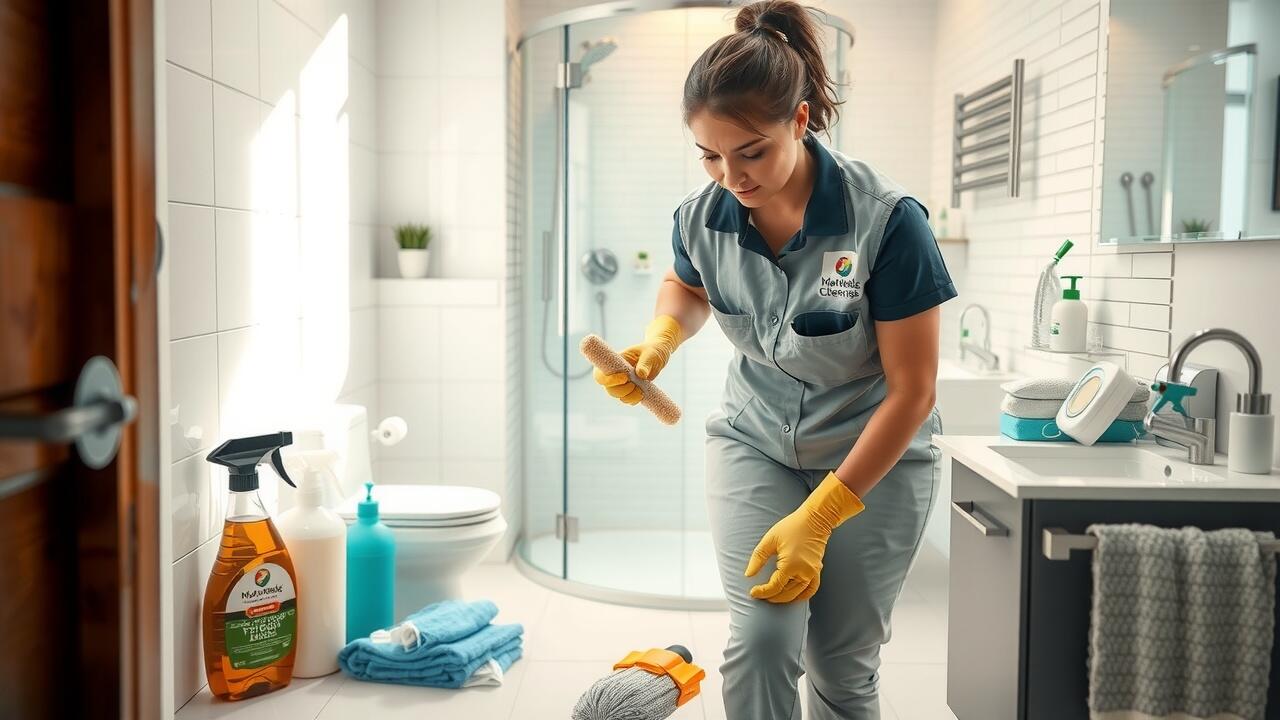
Maintaining grout and tile in a bathroom requires regular attention to prevent stains and mildew buildup. Professional cleaners often start by applying a grout cleaner or a mixture of baking soda and vinegar. This approach helps lift dirt and grime from the grout lines. A soft-bristle brush is used to scrub the area, ensuring that even the smallest crevices are reached, promoting a thorough clean without damaging the tile surface.
For long-term upkeep, sealing grout is a key step that many experts recommend during regular bathroom cleaning. Sealing creates a barrier against moisture and dirt, significantly reducing the chances of mold and mildew development. Choosing the right sealant based on the type of grout and tile is essential for effective protection. Routine inspections and cleaning can keep the grout looking fresh and enhance the overall appearance of the bathroom.
Tips for Keeping Grout Lines Clean and Mold-Free
Keeping grout lines clean and mold-free is essential for maintaining a fresh and hygienic bathroom environment. Regular bathroom cleaning routines should include scrubbing grout with a mixture of baking soda and vinegar. This combination not only helps lift dirt but also works as a natural disinfectant that discourages mold growth. A stiff brush can be effective for applying the mixture, ensuring that it gets into the grooves and removes any buildup.
Preventive measures play a crucial role in grout maintenance. Applying a sealant after cleaning can help protect grout from stains and moisture. This barrier minimizes the chances of mold settling in the porous surface of the grout. Additionally, ensuring proper ventilation in the bathroom will help reduce humidity levels, further decreasing the likelihood of mold formation. Regular inspections of grout lines can catch any signs of mold growth early on, making bathroom cleaning more manageable.
FAQS
What surfaces do professional cleaners prioritize when cleaning a bathroom?
Professional cleaners typically prioritize wiping down surfaces such as countertops, sinks, faucets, and mirrors to ensure they are disinfected and free of grime.
What methods do professional cleaners use to disinfect countertops and sinks?
Effective methods include using disinfectant sprays or wipes, scrubbing with non-abrasive sponges, and ensuring that the product sits for the recommended contact time before rinsing.
How do professional cleaners approach bathroom floors?
Professional cleaners assess the type of flooring and use appropriate cleaning strategies, such as mopping with specialized solutions for tile, vinyl, or laminate floors to ensure thorough cleaning.
What are some common cleaning strategies for different bathroom flooring types?
For tile floors, professionals often use steam cleaners or pH-balanced floor cleaners, while for vinyl and laminate, they typically use gentle cleaners that won’t damage the surface.
How do professional cleaners manage grout and tile?
They focus on scrubbing grout lines with specialized brushes and cleaners, using steam cleaning or oxygen bleach solutions to remove stains and prevent mold growth effectively.
What tips can be used to keep grout lines clean and mold-free?
Regularly sealing grout, using a mixture of baking soda and vinegar for cleaning, and ensuring proper ventilation in the bathroom can help maintain clean and mold-free grout lines.