Table Of Contents
At Flat Fee House Cleaners Sarasota, our Carpet Cleaning service is designed to transform your carpets and enhance the overall cleanliness of your home. We utilize advanced cleaning techniques and eco-friendly products that effectively remove dirt, stains, and allergens, ensuring a deep clean that is safe for your family and pets. Our skilled team pays meticulous attention to every corner, rejuvenating your carpets and restoring their original appearance. Whether you’re preparing for a special event or simply looking to maintain a fresh and inviting atmosphere, our flat fee pricing model eliminates surprises and allows you to budget your cleaning needs with ease. Experience the difference with our professional Carpet Cleaning service and enjoy a cleaner, healthier home environment.
How Often Should You Clean Your Carpets?
Regular carpet cleaning is essential for maintaining a fresh and healthy indoor environment. The frequency of cleaning often depends on various factors, including household conditions and lifestyle. Homes with pets or children typically require more frequent cleanings due to the high likelihood of dirt, stains, and odors. As a general guideline, homeowners should consider cleaning their carpets every six to twelve months. This maintains not only the appearance of the carpet but also the quality of indoor air, reducing allergens and contaminants that can accumulate over time.
The type of carpet and its use also play a notable role in determining cleaning frequency. High-traffic areas may require more attention, as they tend to trap soil, grime, and other residues. Special stains, such as those from coffee or mustard, may demand immediate cleaning to prevent permanent damage. The method of cleaning, such as steam cleaning or water extraction, can also impact how often the task needs to be performed. Using effective carpet cleaners and equipment, including suction machines and the right detergents, can prolong the life of carpets while ensuring they remain hygienic.
Factors Influencing Cleaning Frequency
Several factors determine how often carpets should be cleaned. The type of flooring plays a significant role, as some materials like wool require more frequent care than synthetic fibers. Households with pets or children often face greater challenges with stains and accumulated dirt, necessitating more regular cleaning sessions. Additionally, environmental factors such as humidity and moisture can promote the growth of bacteria and mildew, intensifying the need for diligent cleaning practices.
The level of foot traffic in a home also influences cleaning frequency. Carpets in high-traffic areas are exposed to more dirt and wear, making them more susceptible to stains and odors. Regular vacuuming can help maintain cleanliness between professional cleanings but may not eliminate the need for deeper cleaning methods. For example, pet owners may need to use specialty products designed for stain removal, particularly for accidents involving urine or other substances.
The Role of Equipment in Carpet Cleaning
Having the right equipment is crucial for effective carpet cleaning. Various cleaning technologies, such as extraction machines and encapsulation systems, offer distinct advantages depending on the specific situation. These devices utilize innovative designs for the environment, focusing not just on cleaning efficiency but also on sustainability. For instance, using solutions that are biodegradable can help maintain the integrity of the carpet while also being gentle on indoor air quality.
Different types of equipment can handle specific types of soiling and contaminants. For example, some machines are designed to tackle grease and mud, while others use advanced chemistry to address more subtle issues like allergens trapped in the pile. The use of specialized powders can enhance cleaning by lifting debris that traditional methods might leave behind. Understanding the capabilities of each machine helps service providers choose the best option for a given job, ensuring carpets not only look clean but are also maintained to last longer.
Understanding Extraction Machines
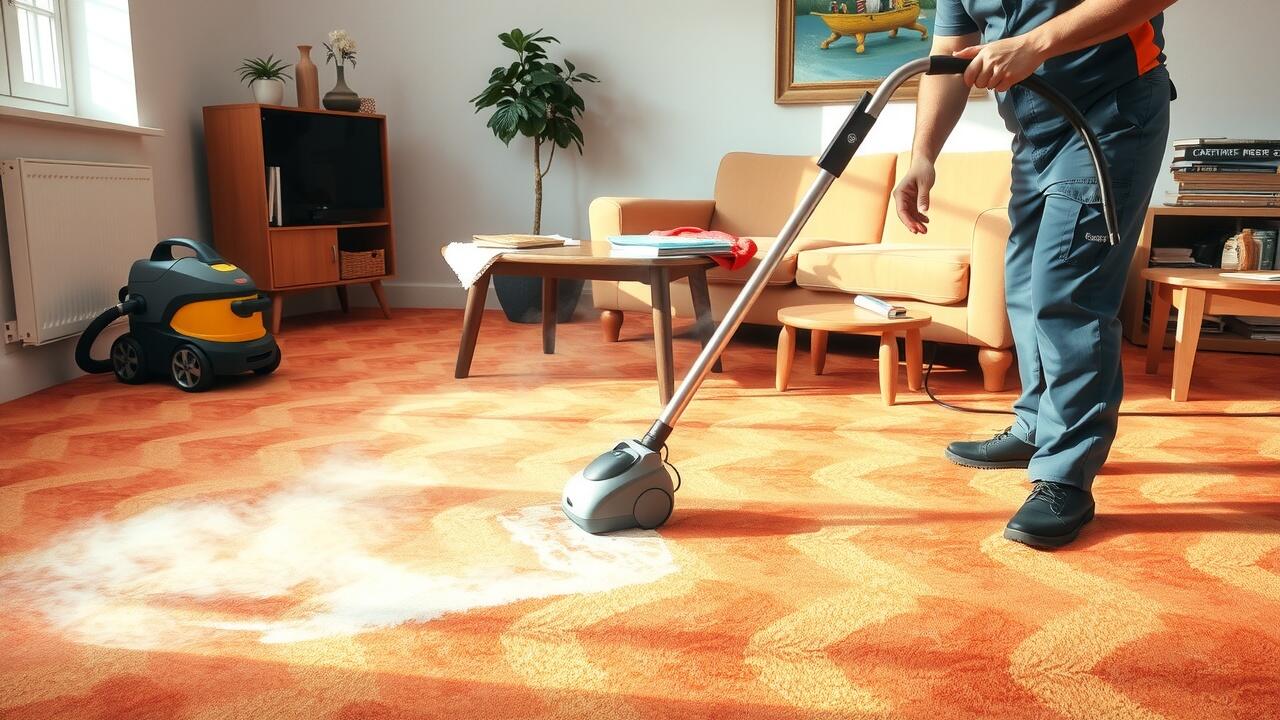
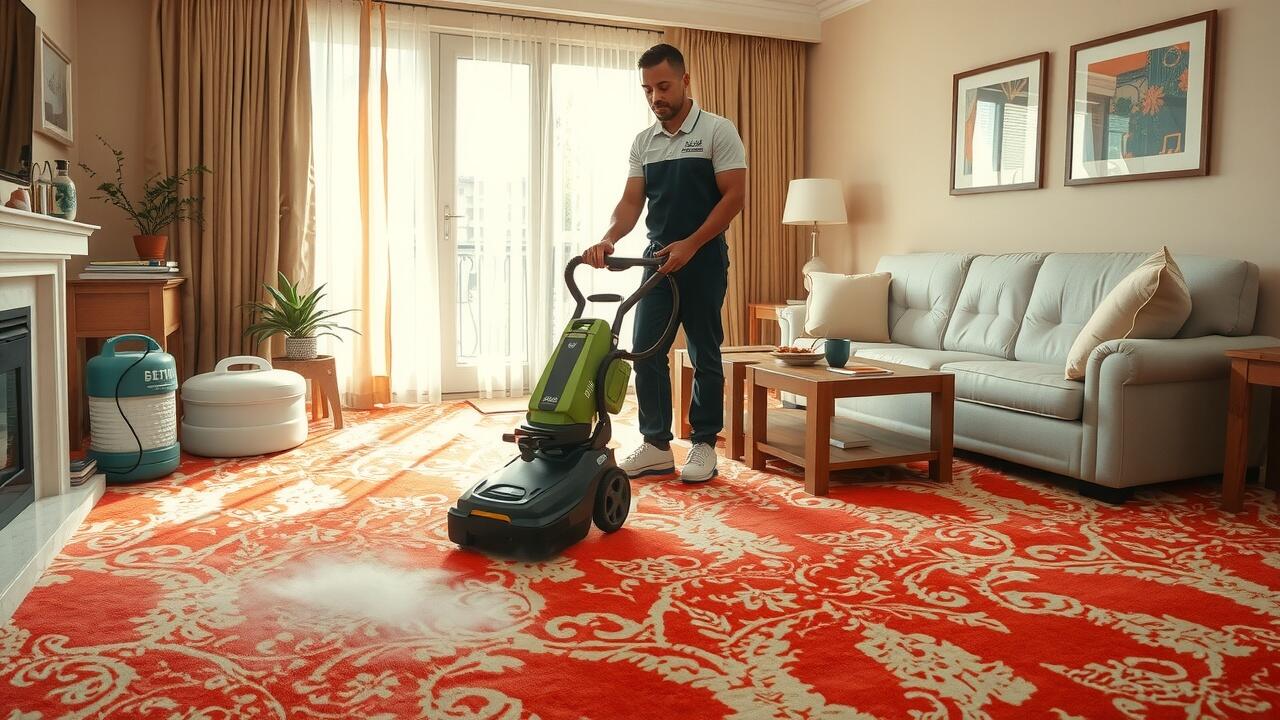
Extraction machines are essential tools in the carpet cleaning process, utilizing water and cleaning solutions to deeply penetrate carpet fibers. These machines work through a method known as hot water extraction, which involves spraying a mixture of heated water and detergent onto the carpet, helping to loosen dirt and stains effectively. Once the solution has done its job, a powerful suction mechanism extracts the dirty water, along with debris, from the carpet, leaving it cleaner and fresher.
Many models of extraction machines offer various features to enhance cleaning efficiency. Some include adjustable pumps that control water flow for different carpet types, while others come equipped with HEPA filters to capture airborne allergens and house dust. The use of encapsulation technology is increasingly popular, where a crystallizing cleaning agent forms around dirt particles, making them easier to extract. This process not only ensures clean carpets but can also improve indoor air quality, aligning with principles of environmental stewardship.
What to Expect During a Carpet Cleaning Service
During a carpet cleaning service, the process begins with a thorough assessment of the carpets. Technicians often inspect the area for particularly stained or heavily soiled sections. Furniture may be moved to access all parts of the carpet, ensuring a comprehensive clean. Clients should expect discussions about any specific concerns they have, such as symptoms of asthma or allergens that may be present in the fibers. These factors can influence the choice of cleaning solutions and methods used, such as whether to employ a steam mop or a carpet sweeper.
The actual cleaning process typically involves multiple stages. First, dry soil and particulate matter are removed using specialized brushes or vacuuming equipment. Next, an appropriate cleaning solution is applied, often involving emulsification to break down stubborn stains. Afterward, a powerful extraction machine removes the liquid along with dirt, leaving carpets fresh and revitalized. In some cases, additional treatments such as applying a protective coating may occur to help resist future stains. Completion of the cleaning process allows carpets to dry, during which proper airflow is essential to prevent mold growth and maintain air quality.
Step-by-Step Cleaning Process
The carpet cleaning process begins with a thorough inspection of the carpets to identify areas with heavy soiling or stubborn stains. Technicians may ask about previous cleaning methods and any spills that have occurred, such as wine or oil. After the assessment, they will often vacuum the carpets using robotic vacuum cleaners to remove loose debris and dust. This step is crucial as it prepares the fibers for deeper cleaning and ensures that larger particles do not interfere with the cleaning solution.
Once the vacuuming is complete, a specialized cleaning solution is applied. The choice of solution can vary, with options including eco-friendly options like vinegar or citrus-derived cleaners. These solutions break down dirt at the molecular level, making it easier to extract embedded grime. A combination of hot water and an antimicrobial agent may also be used to eliminate bacteria and allergens. After allowing the solution to dwell, technicians employ truck-mounted extraction machines to rinse and remove the cleaning solution along with the contaminants, ensuring optimal results while preserving the carpet's crystalline structure.
FAQS
How often should I clean my carpets?
It's generally recommended to clean your carpets every 6 to 12 months, but the frequency can vary based on factors such as foot traffic, pets, and allergies.
What factors influence how often I should clean my carpets?
Factors include the amount of foot traffic in your home, whether you have pets, any allergies or sensitivities, and the type of carpet you have.
What type of equipment is best for carpet cleaning?
Professional carpet cleaners often use extraction machines, which are highly effective for deep cleaning. For home use, a quality vacuum cleaner and a steam cleaner can be effective as well.
What should I expect during a carpet cleaning service?
Expect a thorough cleaning process that typically includes pre-treatment of stains, vacuuming, deep cleaning using extraction methods, and a final grooming of the carpet.
How long does it take for carpets to dry after cleaning?
Drying times can vary, but generally, carpets may take anywhere from 2 to 24 hours to dry completely, depending on the cleaning method used and environmental conditions.