Table Of Contents
Cleaning Hard-to-Reach Areas
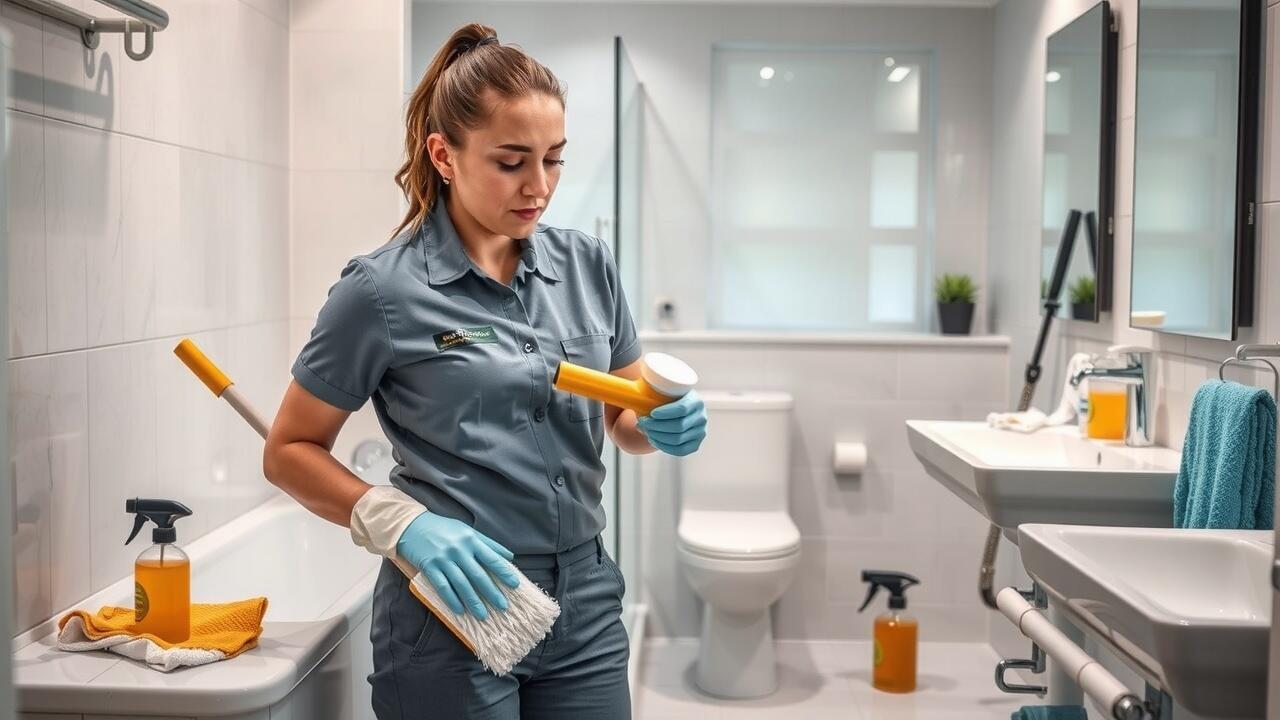
Cleaning hard-to-reach areas in the bathroom can feel daunting but is essential for maintaining a hygienic space. Many overlook spots like behind the toilet, under sinks, and the corners of the shower or tub. A long-handled toilet brush can be effective for hard-to-reach spots behind fixtures. Additionally, using a microfiber cloth attached to an extension pole can help you get into narrow spaces without straining.
For areas like grout and tile, consider using a small brush or an old toothbrush to scrub away dirt and mildew. Spraying a suitable cleaner directly onto these surfaces allows it to penetrate grime more effectively. Investing in a steam cleaner can also make a difference, as the high temperature can eliminate bacteria and loosen dirt in hard-to-access areas. Focused bathroom cleaning can greatly enhance the overall cleanliness and healthiness of your bathroom.
Techniques for Grout and Tile
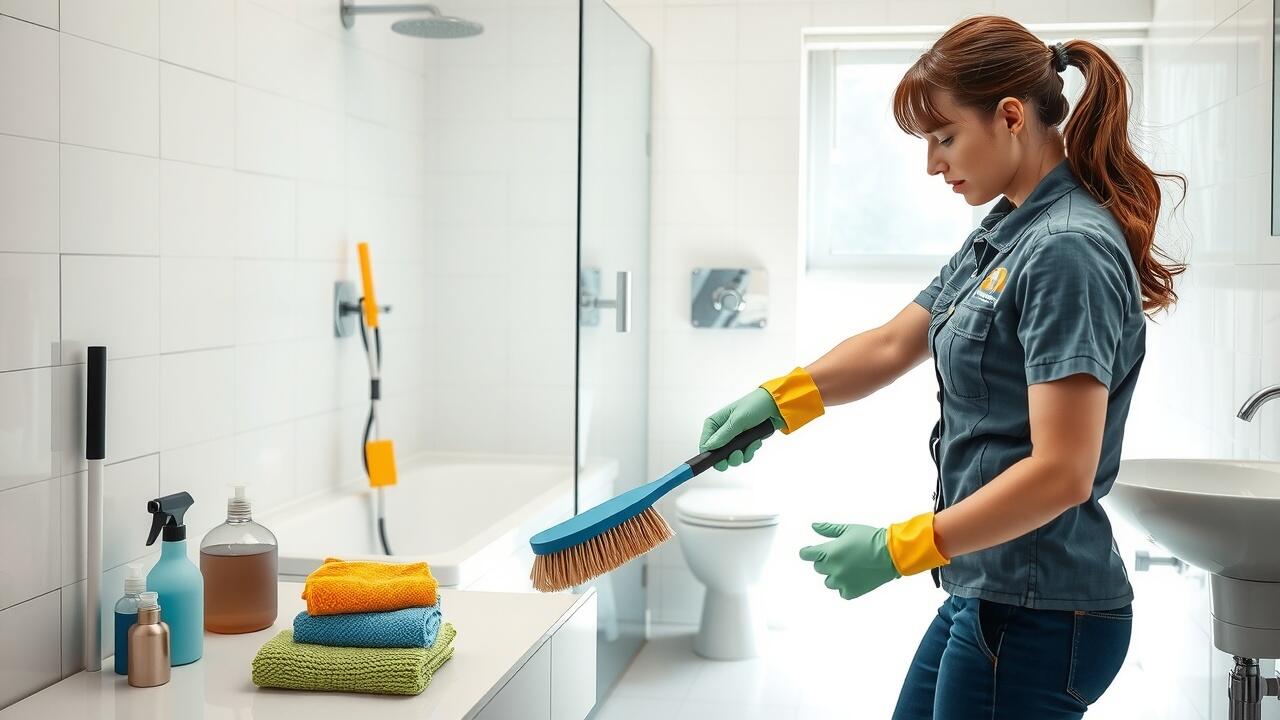
Grout and tile can accumulate grime and discoloration over time, making effective bathroom cleaning essential. Begin by using a mixture of baking soda and vinegar for a natural approach. This combination creates a foaming action that helps lift stains from the grout while also brightening the tiles. Apply the mixture directly to the soiled areas and let it sit for approximately ten minutes before scrubbing with a stiff-bristled brush. Rinse thoroughly with warm water to reveal a cleaner surface.
For more stubborn stains, consider using a commercial grout cleaner specifically designed for bathroom cleaning. These products often contain stronger chemicals that can tackle tough spots with more ease. Apply the cleaner according to the manufacturer's instructions, allowing the solution to penetrate the stains before scrubbing. For best results, use a small brush to reach into the grout lines, ensuring an even clean. Follow with a thorough rinse to remove any remaining cleaner, ensuring tiles and grout are spotless.
Maintaining Bathroom Hygiene
Maintaining bathroom hygiene plays a crucial role in creating a clean and inviting space. Regular bathroom cleaning prevents the accumulation of mold, mildew, and bacteria. A consistent schedule, whether it's daily or weekly, ensures that surfaces remain sanitized. Simple tasks like wiping down counters and fixtures can make a significant difference in overall cleanliness. Using disinfectant sprays or wipes can effectively tackle high-touch areas, promoting a healthier environment.
Incorporating daily habits into your routine can simplify the process of maintaining cleanliness. For instance, keeping a squeegee in the shower can help minimize water spots and soap scum buildup. Storing cleaning supplies within reach encourages quick touch-ups after each use, making bathroom cleaning feel less overwhelming. Encouraging others to adopt these small practices fosters a collective effort towards a consistently clean bathroom.
Daily Habits for a Cleaner Space
Developing daily habits is essential for maintaining a clean bathroom. Simple tasks, such as wiping down surfaces after use, can prevent dirt and grime from building up. A quick inspection of the sink and counter helps identify spills or stains. Keeping disinfecting wipes nearby makes it easy to tackle messes immediately.
Incorporating bathroom cleaning into your routine ensures a consistently tidy space. Set aside a few minutes each day to take care of little tasks, like replacing used towels or organizing toiletries. This proactive approach reduces the need for intensive cleaning sessions and creates a more inviting atmosphere in your bathroom.
Deep Cleaning Strategies
Deep cleaning requires a focused approach to ensure every surface is addressed. Begin with gathering the right supplies, including a strong bathroom cleaner, a scrub brush, microfiber cloths, and a disinfectant. Start at the top of the room and work your way down, tackling high surfaces like light fixtures and mirrors before focusing on countertops, fixtures, and the floor. Pay special attention to areas prone to mildew and soap scum, such as around the bathtub and in the shower.
When it comes to grout and tile, using a grout cleaner along with a stiff brush can yield impressive results. Allow the cleaner to sit for a few minutes to break down stubborn stains. After scrubbing, rinse thoroughly to remove any residue. Regular bathroom cleaning not only enhances the appearance of your space but also contributes to a healthier environment by minimizing the growth of mold and bacteria.
A Step-by-Step Guide to Thorough Cleaning
Beginning a thorough bathroom cleaning involves gathering essential supplies. Start with disinfectant, all-purpose cleaners, sponges, scrub brushes, microfiber cloths, and a toilet brush. Make sure you have warm water ready for dilution purposes. Wear gloves to protect your skin and consider a mask if you are sensitive to strong odors. Clear the surfaces by removing all items such as toiletries, towels, and rugs. This will give you unobstructed access to all areas that require cleaning.
With your supplies handy and surfaces clear, focus on one area at a time. Begin with the toilet, applying a toilet cleaner and allowing it to sit before scrubbing. Move on to sinks and countertops using an all-purpose cleaner to tackle grime and soap scum. For the shower and tub, a specific shower cleaner or a vinegar solution works effectively on tile and glass. Don't forget to pay attention to faucets and handles since they often harbor germs. Finish by wiping down mirrors and light fixtures, ensuring every corner of your bathroom is sparkling clean.
FAQS
What is the best cleaner for bathroom surfaces?
The best cleaner for bathroom surfaces is typically a multi-surface cleaner that is specifically formulated for tough stains and disinfecting. Look for products containing bleach or hydrogen peroxide for maximum effectiveness against mold and mildew.
How often should I clean my bathroom?
It’s recommended to clean your bathroom at least once a week. However, high-traffic bathrooms may require more frequent cleaning, while regular maintenance can help keep it hygienic between deep cleans.
Can I use vinegar to clean my bathroom?
Yes, vinegar is an effective natural cleaner that can help remove soap scum and mineral deposits. However, avoid using vinegar on natural stone surfaces, as it can cause damage.
What tools do I need for deep cleaning my bathroom?
Essential tools for deep cleaning a bathroom include a toilet brush, scrubbing sponges, microfiber cloths, a mop, and a vacuum cleaner. Additionally, having a spray bottle for cleaning solutions can be very helpful.
Are there eco-friendly options for cleaning bathrooms?
Yes, there are many eco-friendly bathroom cleaners available that use plant-based ingredients and are free from harsh chemicals. You can also make your own cleaners using natural ingredients like baking soda, vinegar, and lemon juice for a more sustainable approach.