Table Of Contents
Tools for Managing Grime
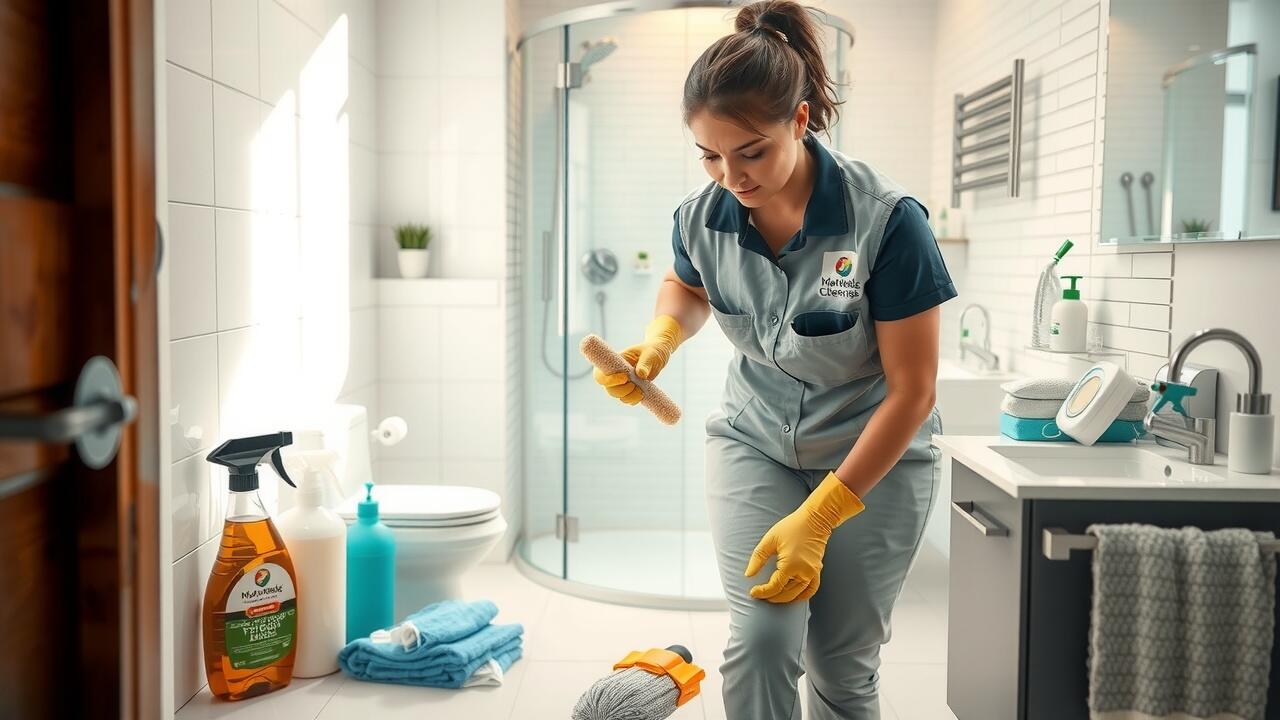
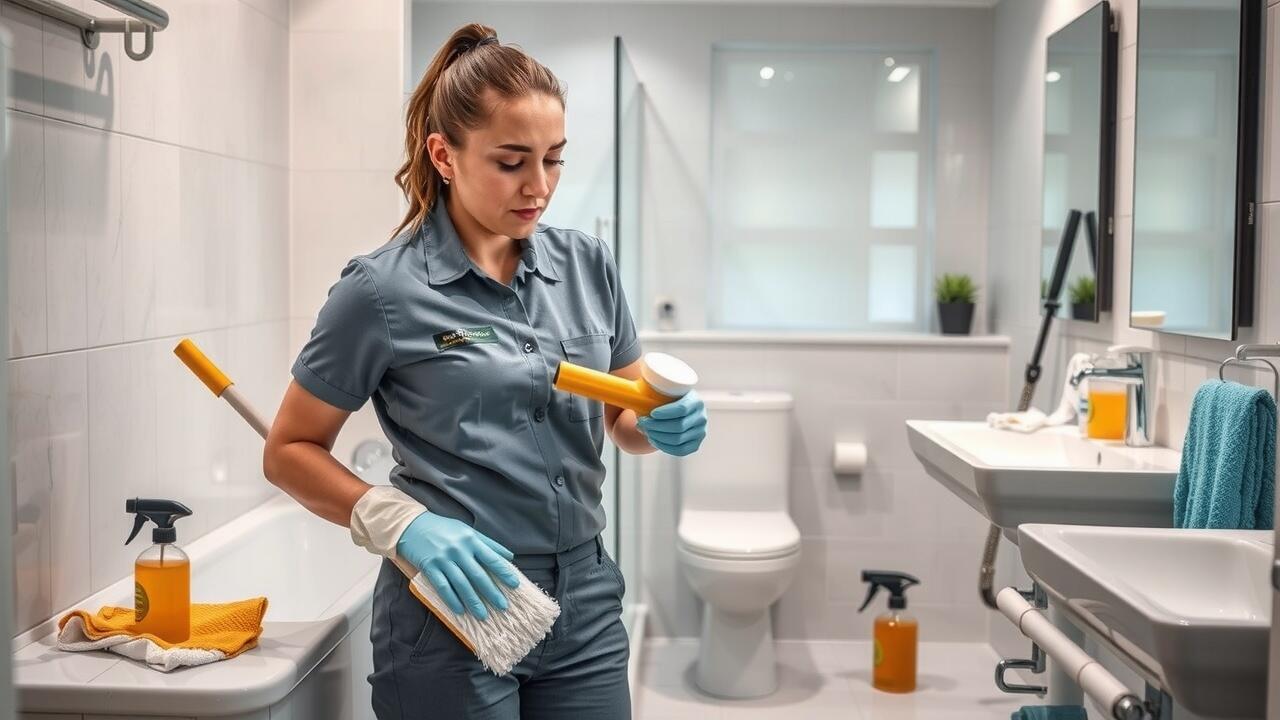
Housekeepers rely on various tools to tackle grime effectively during bathroom cleaning. A heavy-duty scrub brush is essential for removing tough stains from bathtubs, sinks, and toilet bowls. For surfaces like tiles and counters, microfiber cloths provide a gentle yet effective means to capture dust and dirt. Sponges, especially those with abrasive sides, assist in dislodging stubborn grime while ensuring surfaces are not scratched.
In addition to brushes and cloths, specialized tools like grout cleaning brushes help maintain the cleanliness of tile joints. Many housekeepers also utilize commercial-grade cleaning solutions that cut through soap scum and mildew. These products, combined with the right tools, enhance the efficiency of bathroom cleaning, promoting a hygienic environment for daily use.
Squeegees for Shower Glass
Squeegees are essential tools in bathroom cleaning, especially for maintaining the clarity of shower glass. Using a squeegee after each use minimizes water spots and soap scum buildup. These tools are designed to efficiently remove excess water from surfaces, leaving them streak-free and appealing. Regularly incorporating a squeegee into your cleaning routine not only enhances the appearance of your bathroom but also reduces the need for more intensive cleaning sessions later on.
In addition to their effectiveness, squeegees come in various shapes and sizes, catering to different shower configurations. Many models have ergonomic handles, making them easy to use for people of all heights. Some even feature suction hooks for convenient storage. Investing in a good-quality squeegee can greatly simplify bathroom cleaning tasks and prolong the life of your shower fixtures.
Reducing Bathroom Odors
Bathroom cleaning goes beyond scrubbing surfaces and wiping down fixtures; it also involves eliminating odors that can linger in these spaces. One effective method is using air fresheners. These come in various forms, from sprays to plug-ins, and can quickly mask unpleasant smells. However, it is important to choose scents that are not overpowering and to position them where they can circulate widely throughout the room.
Another approach to reducing bathroom odors includes using deodorizers. These products often neutralize odors rather than simply covering them up. Many deodorizers can be placed in areas prone to dampness or musty odors, such as under sinks or in corners. Regularly maintaining ventilation, such as by using exhaust fans, also plays a key role in keeping the bathroom fresh and clean.
Air Fresheners and Deodorizers
Various air fresheners and deodorizers are essential for maintaining a pleasant atmosphere in bathrooms after cleaning. These products come in numerous forms, including sprays, gels, and plug-ins. Many contain fragrances that can neutralize unpleasant odors, ensuring that the space smells fresh and inviting. Some formulations may even include antibacterial properties, providing an extra layer of cleanliness alongside the regular bathroom cleaning routine.
Choosing the right scent can enhance the overall bathroom experience. Citrus and lavender fragrances tend to be popular because they provide a clean, uplifting aroma. Additionally, many brands offer eco-friendly options made from natural ingredients, appealing to those who prioritize sustainability. Incorporating these air fresheners into the bathroom cleaning process maximizes hygiene and comfort for everyone who uses the space.
Proper Safety Gear
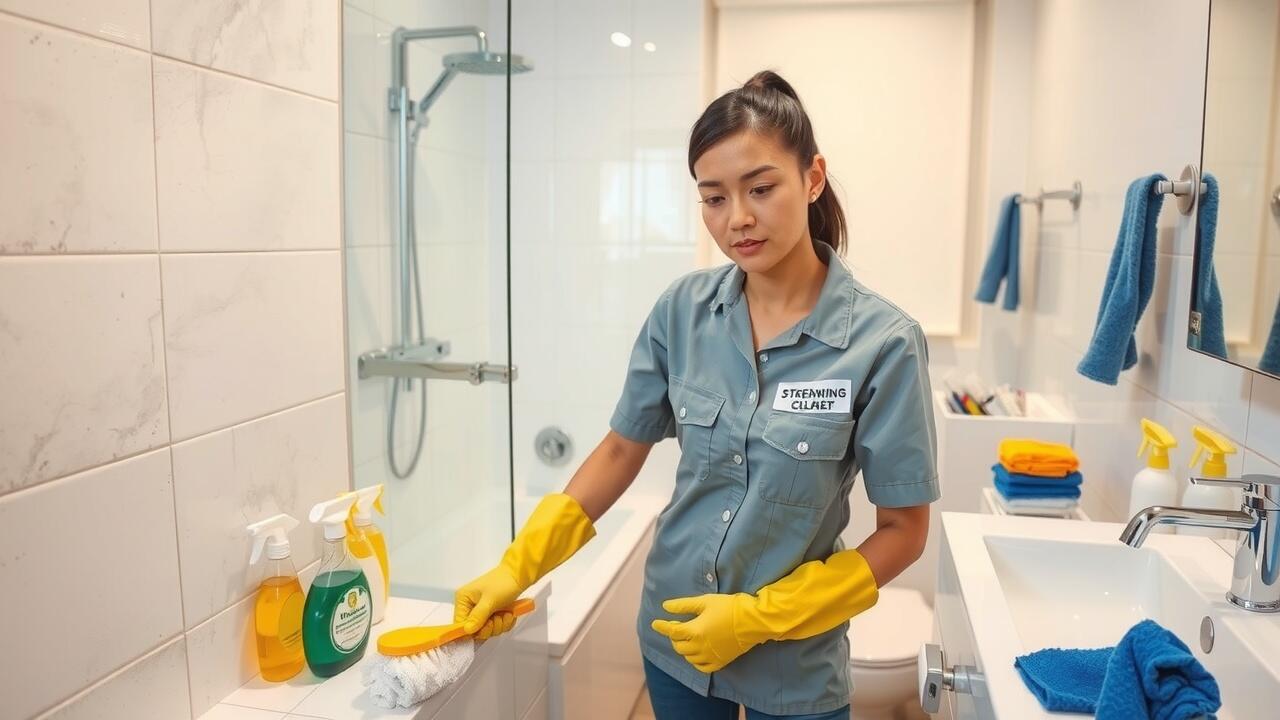
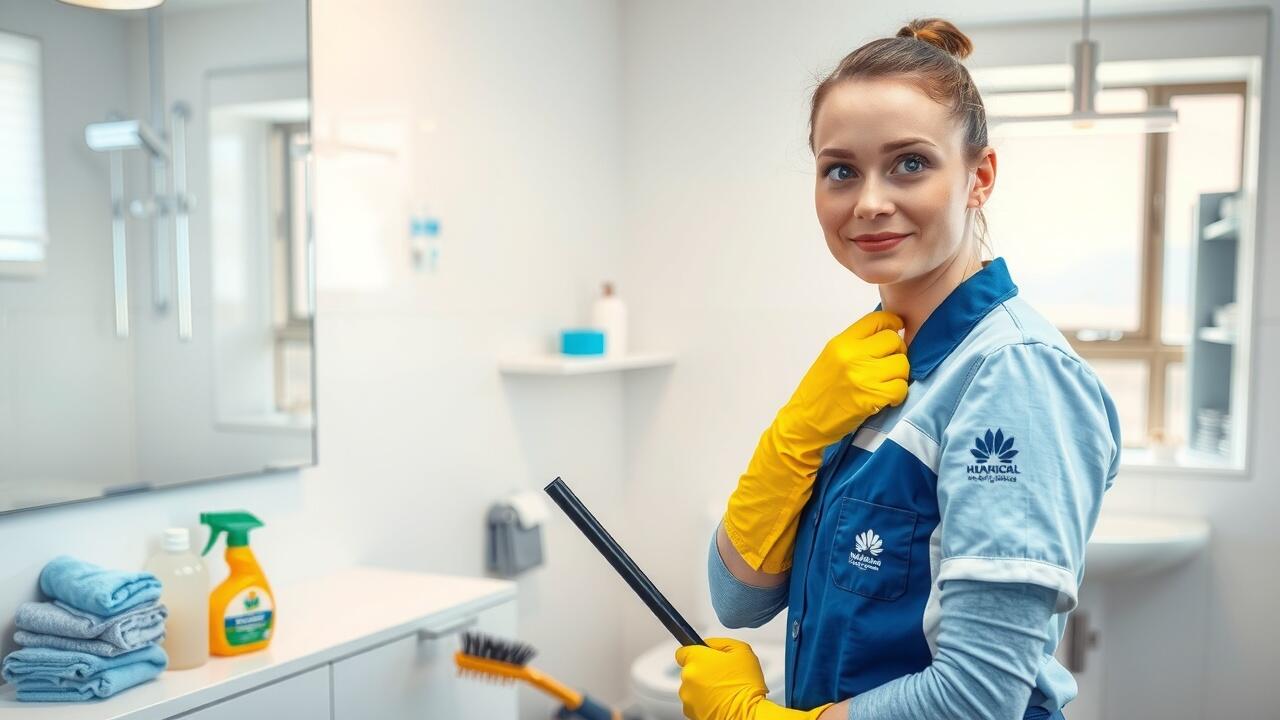
Proper safety gear is essential for anyone involved in bathroom cleaning. Wearing gloves serves as a primary line of defense against harsh chemicals, preventing skin irritation and potential allergies. Rubber gloves are a popular choice, as they provide both durability and flexibility. Protecting the eyes is equally important, especially when using sprays or strong cleaners. Safety goggles can shield against splashes that might occur during the cleaning process.
In addition to gloves and goggles, wearing a mask can help mitigate inhalation hazards from fumes. Many bathroom cleaning products contain volatile organic compounds (VOCs) that can be harmful if inhaled in significant quantities. A mask designed for chemical use can create an additional barrier, ensuring safer air quality while cleaning. Ensuring that appropriate safety gear is in place not only protects the cleaner but also promotes a more efficient cleaning process.
Gloves and Protective Eyewear
Gloves and protective eyewear are essential components of a housekeeper's toolkit when it comes to bathroom cleaning. Gloves protect the hands from harsh chemicals and abrasive materials that are commonly used in cleaning solutions. Housekeepers can choose from various types, including disposable latex gloves or durable rubber options, depending on the task at hand. This equipment not only enhances safety but also improves comfort while tackling tough grime and stains.
Protective eyewear is equally important during bathroom cleaning. Spray products might create airborne particles that can irritate the eyes. Wearing goggles or safety glasses reduces this risk significantly. Housekeepers prioritize these protective measures to ensure a safe and effective cleaning process, allowing them to focus on achieving a sparkling clean bathroom without risking their health.
FAQS
What are the essential tools housekeepers use for cleaning bathrooms?
Housekeepers typically use a variety of tools including squeegees for shower glass, scrub brushes for tile, and microfiber cloths for surfaces to effectively manage grime.
How do housekeepers reduce odors in bathrooms?
Housekeepers often use air fresheners and deodorizers to eliminate unwanted smells and maintain a fresh environment in bathrooms.
Why is safety gear important for housekeepers?
Safety gear, such as gloves and protective eyewear, is important for housekeepers to protect themselves from harsh chemicals and potential hazards while cleaning.
Can housekeepers use homemade solutions for cleaning bathrooms?
Yes, many housekeepers use homemade cleaning solutions, such as vinegar and baking soda, as effective and eco-friendly alternatives to commercial cleaners.
How often should bathrooms be cleaned for optimal hygiene?
It is generally recommended that bathrooms be cleaned at least once a week to ensure optimal hygiene and prevent the buildup of grime and bacteria.