Table Of Contents
Tackling Kitchen Messes Effectively
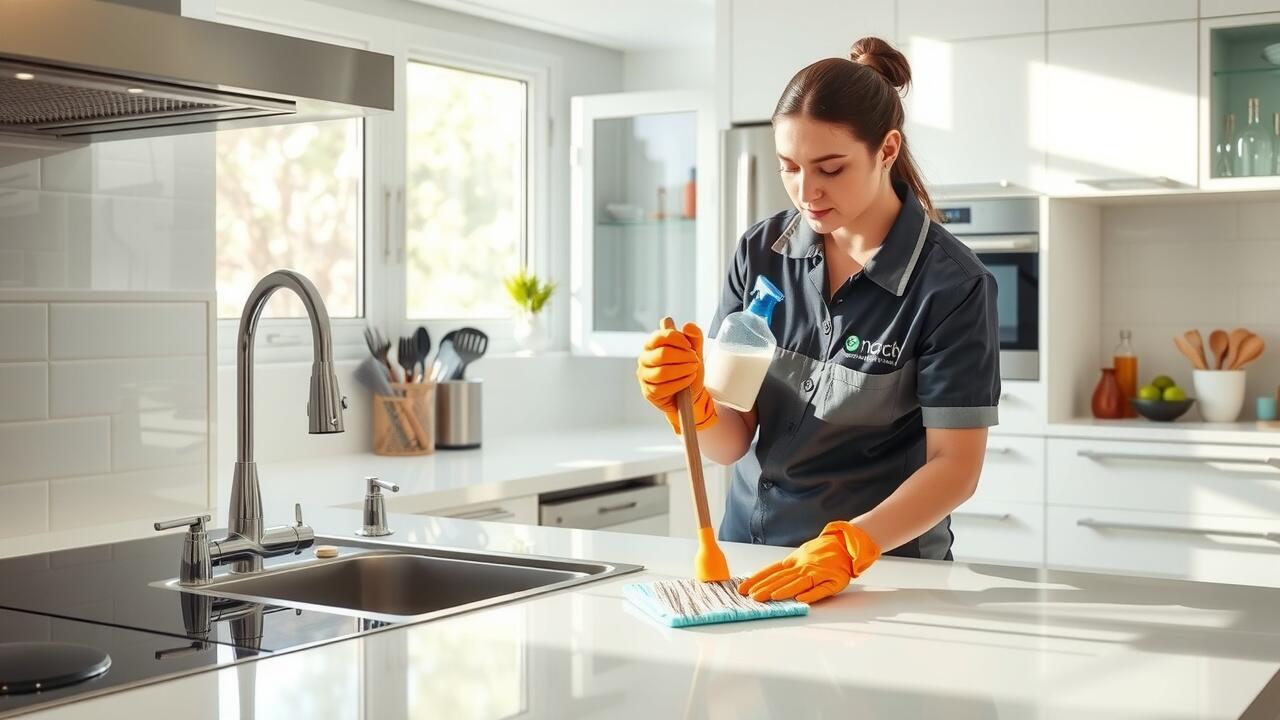
Keeping the kitchen clean is essential for both hygiene and cooking efficiency. Regular kitchen cleaning can help maintain a fresh environment and prevent the buildup of dirt and grime. It’s important to have a systematic approach. Start by gathering your cleaning supplies, such as disinfectants, sponges, and cloths. Prioritizing areas that accumulate mess quickly, like countertops and stovetops, can make the task feel less overwhelming.
In addition to routine cleaning, addressing specific messes promptly can prevent tougher stains from forming. For instance, spills should be wiped up immediately before they set. Incorporating a deep-cleaning schedule ensures that less frequently attended areas, such as behind appliances, receive attention. Remember that an organized kitchen is easier to clean and maintain. The less clutter in the kitchen, the more manageable the cleaning process becomes.
Strategies for Dealing with Stubborn Stains
Stubborn stains in the kitchen can be a significant challenge. One effective approach involves using a paste made of baking soda and water. Apply this mixture directly to the stain, allow it to sit for a few minutes, then scrub gently with a sponge. This method works well on tough spots like grease or food residue, making it a staple in kitchen cleaning routines.
Another strategy for addressing persistent stains is to utilize white vinegar. Spraying vinegar onto the affected area can help break down grime and eliminate odors. For stubborn cases, combining vinegar with dish soap creates a powerful cleaning solution. This combination can tackle various stains on countertops and appliances, enhancing the efficiency of your kitchen cleaning efforts.
Organizing Your Cleaning Schedule
Establishing a cleaning schedule is essential for maintaining a tidy kitchen. By designating specific days for various tasks, you can break down the workload and prevent overwhelming messes from accumulating. Create a weekly checklist that includes tasks like wiping down surfaces, sweeping the floors, and cleaning appliances. This structured approach not only helps in keeping everything in order but also makes it easier to track what has been completed.
In addition to weekly tasks, consider incorporating monthly and seasonal cleaning activities. Deep cleaning items such as the refrigerator and oven can be scheduled for once a month, while more extensive tasks like decluttering cabinets can be done seasonally. Regular kitchen cleaning ensures that every corner receives attention over time, promoting a healthier and more organized cooking space. By following a planned schedule, you can develop a routine that fits your lifestyle and enhances the overall efficiency of your kitchen.
How Often to Clean Different Areas of the Kitchen
Regular upkeep is essential for maintaining a clean kitchen. High-traffic areas like counters and sinks require daily attention to keep surfaces free of crumbs and bacteria. Food preparation zones should be wiped down after each use to avoid cross-contamination. Daily sweeping or vacuuming helps manage debris that could attract pests.
For deeper kitchen cleaning, exploring a weekly or monthly schedule can ensure that less frequented areas remain pristine. Appliances such as microwaves and ovens benefit from a thorough cleaning once a month to address built-up grime. Cabinets and shelves also deserve attention, with a seasonal cleaning regimen to keep them organized and dust-free. Prioritizing these timeframes in your kitchen cleaning strategy contributes significantly to an overall hygienic environment.
Eco-Friendly Cleaning Alternatives
Eco-friendly alternatives for kitchen cleaning offer a sustainable approach to maintaining a hygienic space without relying on harsh chemicals. Many everyday items can serve as effective cleaners. For instance, vinegar is excellent for cutting through grease and disinfecting surfaces. Baking soda also works wonders in the kitchen, especially for scrubbing tasks. A paste made from water and baking soda can tackle tough stains on countertops and sinks.
Natural solutions provide a greener option while still delivering impressive results. Lemon juice not only leaves a fresh scent but also acts as a natural bleach. Essential oils, such as tea tree or lavender, can be added to homemade cleaning solutions for both antibacterial properties and pleasant aromas. By incorporating these eco-friendly ingredients into your kitchen cleaning routine, you contribute to a healthier home environment and support sustainable living practices.
Natural Solutions for a Greener Kitchen
Natural solutions for a greener kitchen can significantly reduce the reliance on commercial cleaning products. Vinegar serves as a versatile powerhouse. It effectively cuts through grease and disinfects surfaces. Baking soda is another excellent choice. It works wonders as a mild abrasive and deodorizer, perfect for scrubbing down sinks and countertops. Mixing these two ingredients creates a bubbling reaction that tackles tough stains without harmful chemicals.
Essential oils can also enhance kitchen cleaning routines. Oils like lemon, tea tree, and lavender not only provide pleasant aromas but also add antibacterial properties. You can create a simple all-purpose cleaner by combining water, vinegar, and a few drops of your favorite essential oil in a spray bottle. This natural blend provides an effective way to maintain cleanliness while promoting a healthier environment.
FAQS
What are the best cleaning supplies to use for the kitchen?
The best cleaning supplies for the kitchen include a multipurpose cleaner, dish soap, baking soda, white vinegar, microfiber cloths, and a scrub brush. These products effectively tackle a variety of surfaces and stains.
How often should I clean my kitchen?
It's recommended to do a quick clean daily, such as wiping down countertops and washing dishes. A more thorough clean should be done weekly, which includes mopping floors and cleaning appliances, while deep cleaning should occur monthly.
What should I do about stubborn stains on my kitchen surfaces?
For stubborn stains, try using a mixture of baking soda and water to create a paste. Apply it to the stain and let it sit for a few minutes before scrubbing gently. For particularly tough stains, consider using a commercial stain remover specifically designed for the surface.
Are there any eco-friendly alternatives for cleaning my kitchen?
Yes, eco-friendly alternatives include using white vinegar, baking soda, lemon juice, and castile soap. These natural solutions are effective in cleaning while being safe for the environment.
How can I keep my kitchen organized while cleaning?
To keep your kitchen organized during cleaning, use a caddy to carry your supplies, declutter surfaces before you start, and create designated spaces for items. Regularly tackling clutter will make cleaning easier and maintain an organized kitchen.