Table Of Contents
Creating a Cleaning Schedule Based on the 20/10 Rule
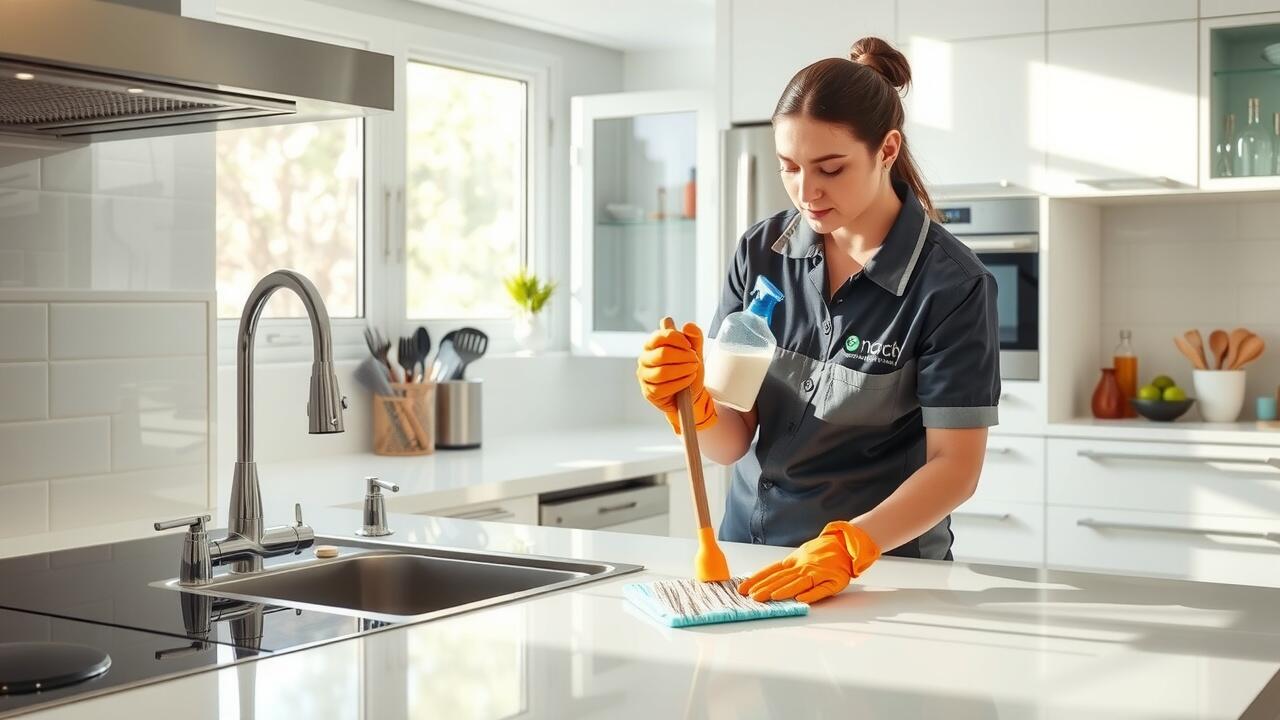
The 20/10 rule is a straightforward approach that can be particularly effective when establishing a cleaning schedule. This method suggests dedicating 20 minutes to focused cleaning followed by a 10-minute break. By breaking tasks into manageable time segments, the process becomes less daunting. A kitchen cleaning routine might include tasks like wiping counters, washing dishes, and mopping the floor. Focusing on one area at a time enhances productivity and keeps motivation high.
Incorporating the 20/10 rule into your weekly cleaning schedule offers flexibility. You can allocate specific days for different rooms, ensuring that each area receives attention. For example, set aside Sundays for kitchen cleaning while reserving other days for the bathroom or living room. This strategy allows for consistent upkeep, making it easier to maintain a tidy home. The short bursts of activity help create a rhythm, keeping cleaning tasks from feeling overwhelming.
Structuring Your Weekly Cleaning Routine
A structured weekly cleaning routine can enhance efficiency and ensure that all areas of your home receive appropriate attention. Begin by designating specific days for particular tasks. This approach allows you to focus on different parts of your home without feeling overwhelmed. For instance, allocating Mondays for dusting and vacuuming could set a productive tone for the week. Setting aside Fridays for deep cleaning tasks, such as bathroom scrubbing and kitchen cleaning, can make weekends more enjoyable and less stressful.
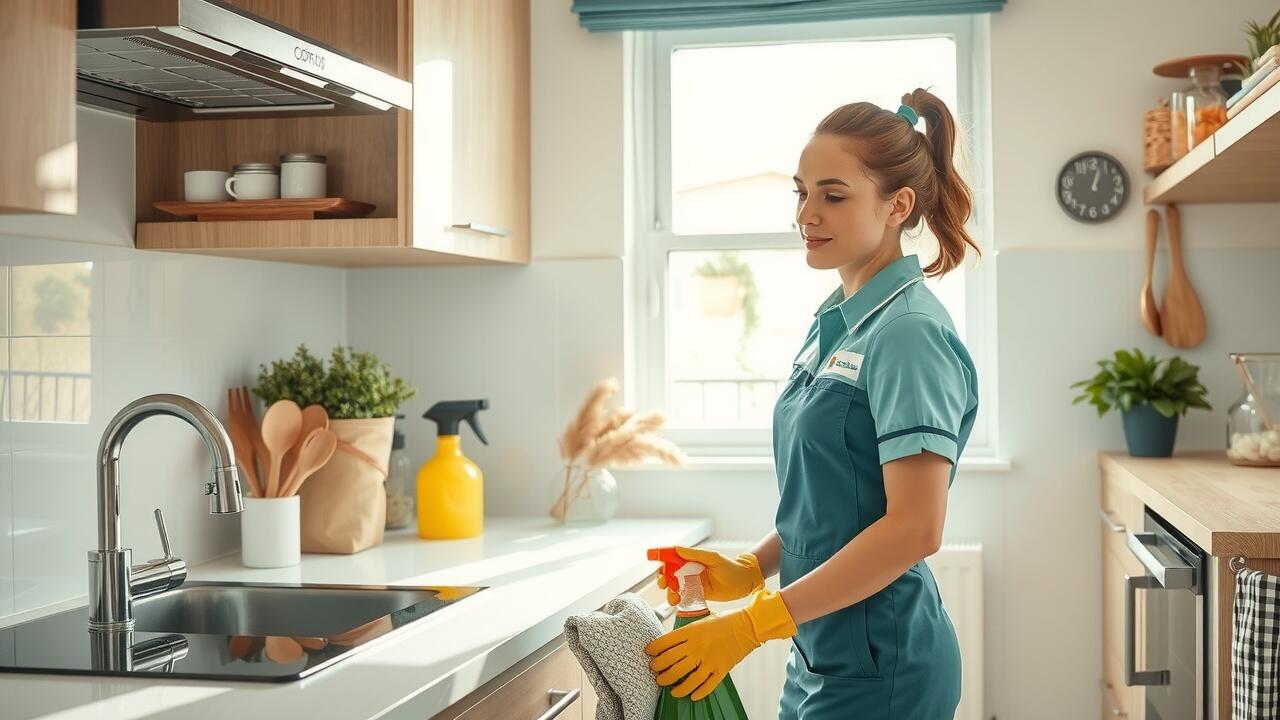
Incorporating the 20/10 rule into your weekly plan can also help maintain motivation and momentum. Breaking cleaning tasks into segments of focused work followed by short breaks prevents fatigue and keeps you engaged. When it comes to kitchen cleaning, consider splitting the chores into manageable parts. You might wipe down countertops and clean appliances for twenty minutes, then take a short break. This method not only enhances productivity but allows you to maintain a consistently clean kitchen throughout the week.
Tools and Resources to Support the 20/10 Rule
Implementing the 20/10 rule for cleaning can be significantly enhanced with the right tools and resources. A timer is essential for keeping track of your focused 20-minute cleaning sessions. Setting a timer creates a sense of urgency that can help maintain your motivation. Additionally, using a checklist can streamline your tasks, ensuring that nothing is overlooked. This method works well for areas like kitchen cleaning, where numerous surfaces and items demand attention.
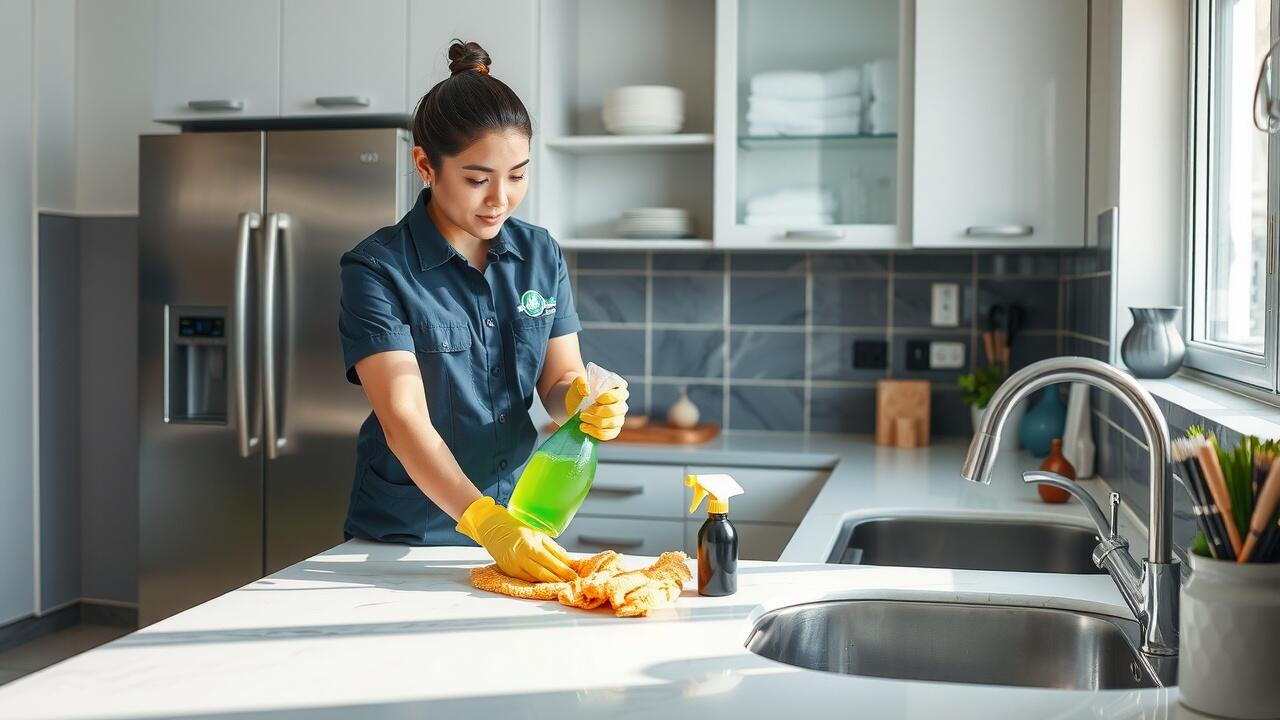
To maximize efficiency, consider stocking up on effective cleaning supplies. Multipurpose cleaners can make transitions between different tasks smoother, saving both time and effort. Microfiber cloths are also beneficial, as they clean surfaces effectively without leaving streaks behind. Having a designated caddy or storage space for your cleaning essentials can help you stay organized and prepared, especially when tackling larger areas like the kitchen. This level of readiness allows you to dive right into your 20-minute sessions without delay.
Recommended Cleaning Supplies and Timers
For effective implementation of the 20/10 rule, having the right cleaning supplies is essential. Microfiber cloths are great for dusting and wiping surfaces in various areas, including kitchen cleaning. A good all-purpose cleaner can tackle multiple surfaces, making it a versatile tool for your routine. Additionally, employing a vacuum with different attachments can help maintain cleanliness in carpets and hard-to-reach corners.
Timing your cleaning sessions can enhance efficiency. A simple timer helps keep track of the 20 minutes dedicated to cleaning and the subsequent 10 minutes of rest. Using a smartphone app or a kitchen timer can help you stay focused. Having a designated cleaning caddy to hold all your supplies makes transitioning from one task to another seamless while ensuring everything you need is easily accessible during those crucial cleaning bursts.
Integrating the 20/10 Rule with Other Cleaning Methods
Integrating the 20/10 rule with other cleaning methods can yield impressive results. This approach allows you to combine focused bursts of cleaning with techniques like the FlyLady method or the Pomodoro technique. In the kitchen cleaning context, using a timer can help you tackle tasks such as wiping surfaces, sweeping floors, or organizing the pantry within the designated 20 minutes. After completing each focused session, the short break serves as a mental reset, allowing you to maintain energy and focus throughout your cleaning routine.
Another effective strategy involves blending the 20/10 rule with a checklist system. By breaking down kitchen cleaning tasks into manageable segments, you can prioritize areas like countertops, appliances, and the sink. This method ensures that you actually cover all necessary tasks over a period, preventing any essential duty from being overlooked. Using the 20/10 rule in conjunction with established cleaning techniques enhances productivity while ensuring that your kitchen remains in tip-top shape.
Combining Techniques for Maximum Efficiency
Integrating the 20/10 rule with other cleaning techniques can enhance the effectiveness of your routine. For instance, when tackling kitchen cleaning, consider pairing the 20-minute focus bursts with methods like the FlyLady system. This approach encourages breaking larger tasks into smaller segments, making it easier to maintain focus. By dedicating 20 minutes to heavily used areas like countertops and stovetops, you can achieve a significant impact without feeling overwhelmed.
Another effective combination involves using the 20/10 rule alongside a checklist. This strategy helps ensure that no task is forgotten during your kitchen cleaning sessions. Assign specific tasks to each 20-minute interval, such as sweeping the floors or wiping down appliances. Completing these tasks within shorter bursts can create a sense of accomplishment, motivating you to continue through to your next cleaning session.
FAQS
What is the 20/10 rule for cleaning?
The 20/10 rule for cleaning is a time management technique that suggests you clean for 20 minutes and then take a 10-minute break. This approach helps maintain focus and reduces fatigue during cleaning sessions.
How can I create a cleaning schedule using the 20/10 rule?
To create a cleaning schedule using the 20/10 rule, divide your cleaning tasks into manageable segments. Allocate specific days for certain tasks and use the 20-minute work sessions followed by 10-minute breaks to keep yourself motivated and efficient.
What tools and resources can help me with the 20/10 rule?
Useful tools for implementing the 20/10 rule include timers or smartphone apps to track your cleaning sessions. Additionally, having a checklist of cleaning tasks can ensure you stay organized and focused during your 20-minute intervals.
Can I combine the 20/10 rule with other cleaning methods?
Yes, the 20/10 rule can be effectively combined with other cleaning methods, such as the Pomodoro Technique or zone cleaning. This integration allows you to tailor your cleaning routine to fit your lifestyle and preferences for maximum efficiency.
Is the 20/10 rule suitable for all cleaning tasks?
While the 20/10 rule is beneficial for many cleaning tasks, its effectiveness may vary based on the nature of the task. For longer or more complex cleaning jobs, you might need to adjust the intervals to better suit your pace and stamina.