Table Of Contents
Scrubbing the Sink
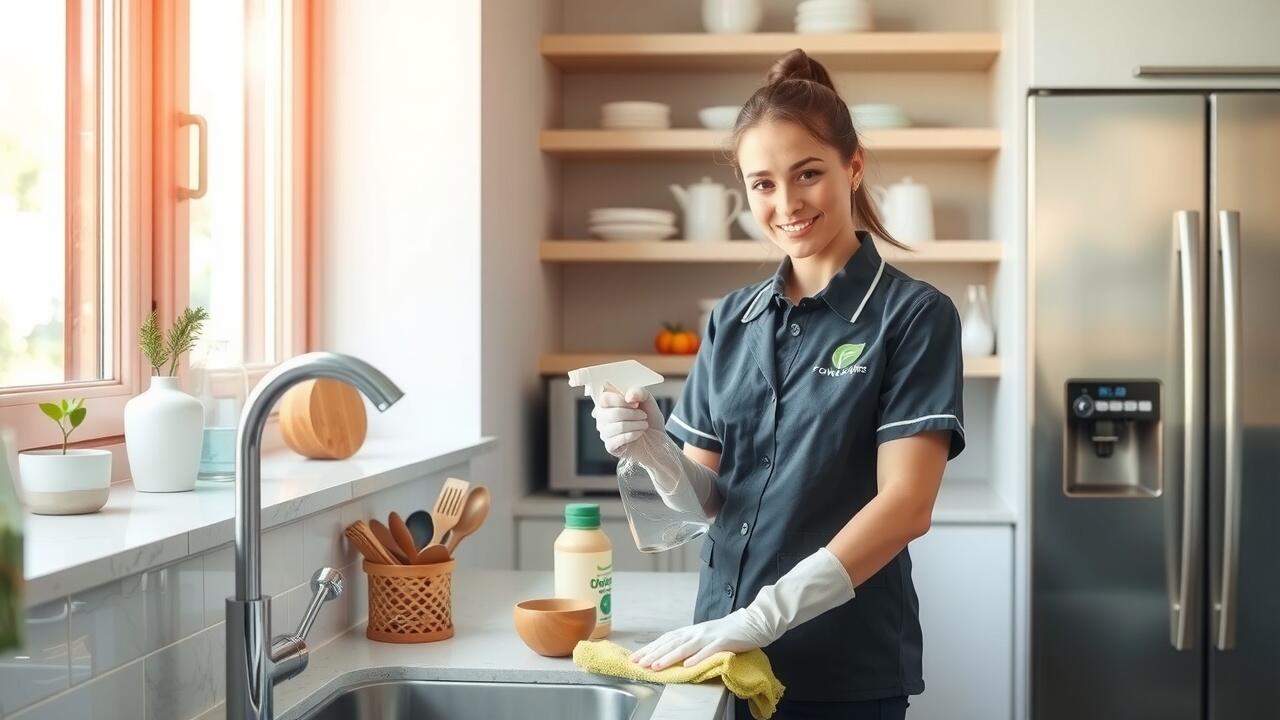
A clean sink is an essential part of kitchen cleaning. Begin by removing all dishes, utensils, and other items from the sink area. Rinse the sink thoroughly to eliminate any food particles. Use a gentle scrub brush or sponge with warm soapy water to scrub the interior and surrounding areas. Pay close attention to any stains or buildup, especially around the faucet and drain. Rinse the sink with clean water once you finish scrubbing, ensuring no soap residue remains.
After rinsing, consider using a disinfectant to kill any lingering germs. Wipe down the faucet and handles with a soft cloth for a polished finish. If your sink is stainless steel, a mixture of vinegar and baking soda can restore its shine. Dry the sink with a microfiber cloth to prevent water spots. This routine will not only make your sink sparkle but also contribute to overall kitchen cleanliness and hygiene.
Tips for a Sparkling Clean Kitchen Sink
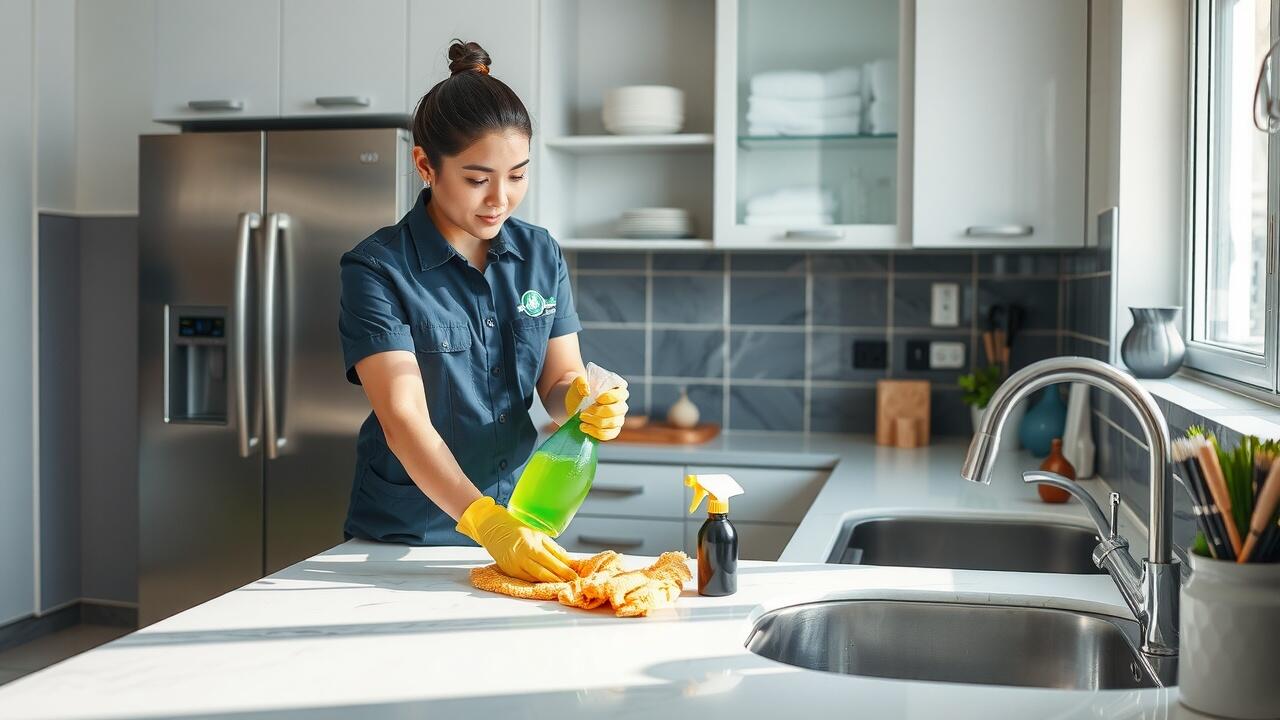
To achieve a sparkling clean kitchen sink, it is essential to use the right cleaning products. A gentle dish soap mixed with warm water can effectively cut through grease and grime. For tougher stains, consider adding a bit of baking soda to the mixture. This combination not only cleans but also deodorizes the sink, leaving it fresh. Rinse thoroughly after scrubbing to ensure no residue remains.
Regular maintenance plays a significant role in kitchen cleaning. Wipe down the sink daily to prevent build-up from food particles and stains. Use a soft cloth or sponge to avoid scratching the surface. After each use, a quick rinse and dry can keep the sink looking shiny. Keeping this routine will make deep cleaning sessions easier and less time-consuming.
Mopping the Floor
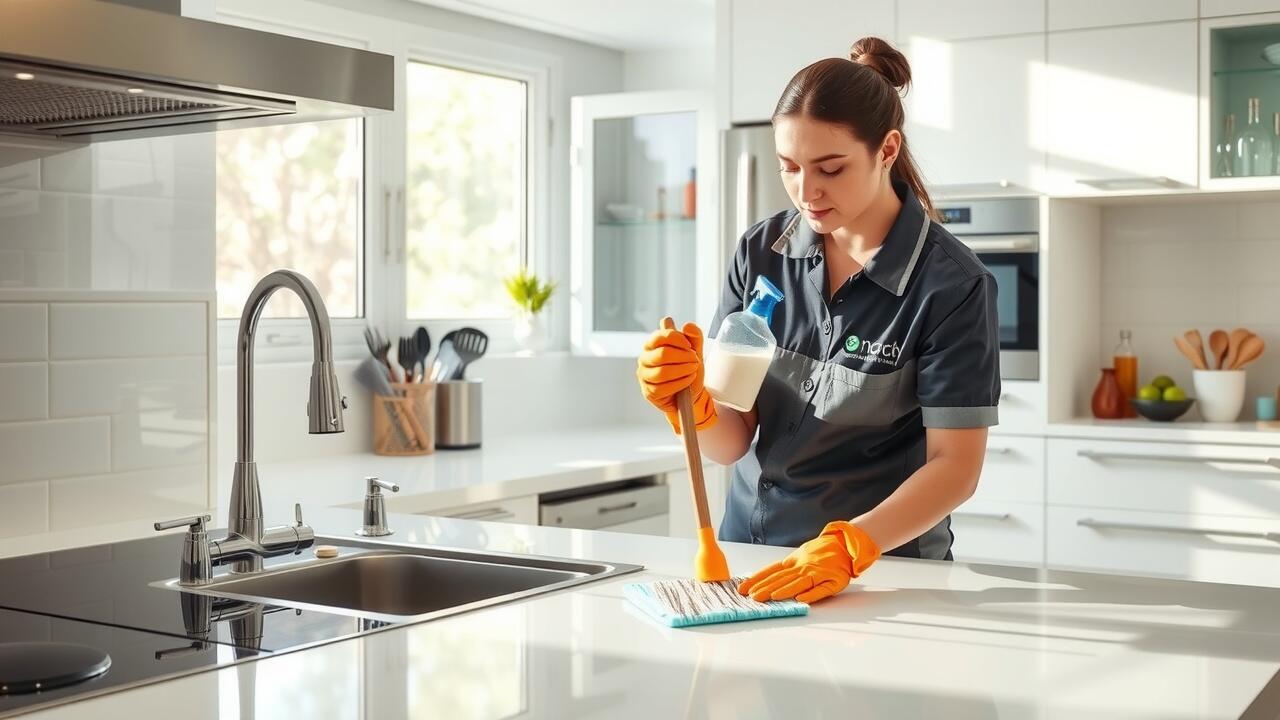
Mopping the floor is an essential part of kitchen cleaning that ensures all surfaces are spotless and hygienic. Start by sweeping or vacuuming to remove loose debris, crumbs, and dirt. This step helps prevent these particles from spreading or getting embedded into the mop during the cleaning process. Once the area is free from debris, prepare your mop and cleaning solution, ensuring that it's suitable for your specific floor type, whether it's tile, laminate, or hardwood.
When mopping, work systematically from one corner of the kitchen to the opposite side. Use a figure-eight motion to cover more area effectively without missing spots. Allow the cleaning solution to sit for a short period to break down any stubborn stains. After mopping, air out the kitchen to help the floor dry more quickly. Regular mopping as part of your kitchen cleaning routine can significantly contribute to maintaining a fresh and inviting space.
Choosing the Right Cleaning Solution
Selecting the appropriate cleaning solution is essential for effective kitchen cleaning. The right product not only tackles stains and grime but also ensures that surfaces remain safe for food preparation. Various options range from commercial cleaners with specific antibacterial properties to natural alternatives like vinegar and baking soda. Understanding the materials of your kitchen surfaces, such as granite, stainless steel, or wood, helps in selecting a cleaner that won't damage them.
Always read labels for instructions and safety information for any cleaning solution. Concentrated formulas may require dilution, while certain chemicals should be avoided on food-contact areas. Having a versatile kitchen cleaning kit can streamline the process, allowing for quick response to spills and messes. When in doubt, testing a small, inconspicuous area can help determine how a cleaner interacts with the surface.
Organizing the Pantry
Organizing the pantry involves assessing the contents and arranging items for easy access. Start by removing all products from the shelves. Check expiration dates and discard anything that is stale or past its prime. Group similar items together, such as canned goods, snacks, and baking supplies. This will create a logical flow and make it simpler to find what you need. Clear containers are helpful for storing dry goods like flour and sugar, as they keep items fresh and visible.
After sorting and grouping, consider labeling containers and shelves. This helps maintain organization and efficiency in your kitchen cleaning routine. Regularly take time to check the pantry for any items that need to be reorganized or restocked. Implementing an inventory system can further enhance this process, ensuring that you know what you have on hand before shopping for groceries. With a well-organized pantry, meal preparation becomes quicker and more enjoyable.
Strategies for Efficient Food Storage
Efficient food storage plays a crucial role in maintaining an organized kitchen. Use clear, labeled containers to store dry goods, such as pasta, rice, and spices. This practice not only helps you quickly find what you need but also extends the shelf life of pantry items. Consider grouping similar foods together, making it easier to keep track of what you have on hand. Regularly check expiration dates to minimize waste and ensure freshness.
When it comes to perishables, optimal organization within your refrigerator is essential. Store fruits and vegetables in designated crisper drawers to maintain their quality. Keep prepared foods in front so they are easily accessible and encourage consumption before they spoil. Additionally, kitchen cleaning can include arranging items in a way that maximizes airflow and prevents them from becoming overcrowded. This method not only fosters a more efficient cooking space but also allows for a streamlined approach to meal preparation.
FAQS
What are the seven steps of cleaning a kitchen?
The seven steps of cleaning a kitchen typically include: 1) Scrubbing the sink, 2) Mopping the floor, 3) Organizing the pantry, 4) Wiping down countertops, 5) Cleaning appliances, 6) Disinfecting surfaces, and 7) Taking out the trash.
Why is scrubbing the sink important in kitchen cleaning?
Scrubbing the sink is important because it removes food residue, bacteria, and stains, ensuring a clean and hygienic space for food preparation and washing dishes.
What type of cleaning solution should I use for mopping the floor?
For mopping the floor, it's best to choose a cleaning solution that is appropriate for your floor type (e.g., tile, laminate, hardwood). Look for a solution that effectively cuts grease and grime while being safe for your flooring material.
How can I effectively organize my pantry?
To effectively organize your pantry, start by removing all items and checking expiration dates. Group similar items together, use clear containers for visibility, and label everything to create an efficient food storage system.
What are some additional tips for maintaining a clean kitchen?
Additional tips for maintaining a clean kitchen include regularly decluttering countertops, keeping cleaning supplies handy, establishing a daily cleaning routine, and involving family members in the cleaning process.