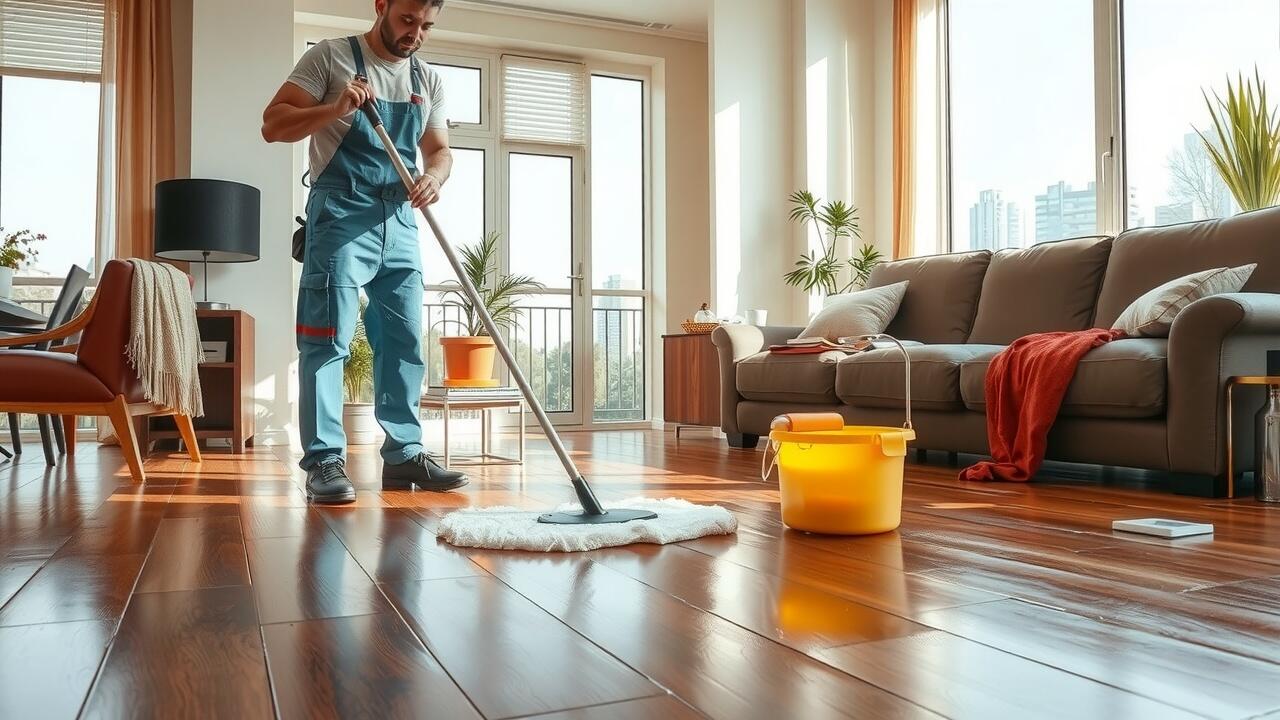
Table Of Contents
Frequency of Mopping
The frequency of mopping largely depends on the specific area being cleaned and the amount of foot traffic it experiences. High-traffic areas, such as entryways, kitchens, and bathrooms, typically require mopping several times a week. In contrast, spaces like bedrooms or home offices may only need mopping once every two weeks or even less often, depending on usage and cleanliness standards.
Environmental factors also play a role in determining mopping frequency. Homes with pets or young children may see more spills and messes, necessitating a more regular mopping schedule. Seasonal changes might also influence how often mopping takes place, as dirt and debris tracked in during rainy or snowy months can require additional attention to maintain cleanliness.
How Often Should You Mop Different Areas?
Mopping frequency can vary significantly depending on the area being cleaned. High-traffic areas, such as kitchens and entryways, typically require mopping several times a week. This is due to the accumulation of dirt, spills, and debris that can easily gather in these spaces. On the other hand, areas with less foot traffic, like guest rooms or home offices, might be adequately maintained with mopping once every couple of weeks.
In addition to traffic levels, the type of flooring can influence mopping schedules. Hard floors, such as tile and laminate, often benefit from a regular mopping routine to maintain their appearance and sanitation. Carpeted areas won't require mopping but should undergo regular vacuuming to keep them clean. Understanding the specific needs of each space ensures effective cleaning and contributes to a healthier indoor environment.
Safety Tips for Mopping
Mopping can be a straightforward task, but safety should always be a priority. Before starting, gather all necessary supplies, including a suitable mop, bucket, and cleaning solution. Ensure the area is free from clutter and obstacles that may pose tripping hazards. Wearing non-slip footwear can help maintain traction on wet surfaces, reducing the risk of accidents during the cleaning process.
After mopping, it’s essential to leave the floor dry to prevent slips and falls. Clearly mark the freshly cleaned areas with signs or cones to alert others in the vicinity. If the floor remains slippery for any reason, provide adequate warnings and keep foot traffic to a minimum until it is safe. Proper technique during mopping can also enhance safety; use a secure grip on the mop handle and maintain an even pace to avoid sudden movements that could lead to falls.
Precautions to Prevent Slips and Falls
Ensuring safety while mopping is essential to prevent slips and falls. Start by using caution signs in the area that will be mopped. This alerts anyone nearby to the potential hazard. Choose a mopping solution that dries quickly to reduce the risk of slipping on a wet surface. Stick to smaller areas at a time to keep the workspace manageable and minimize exposure to slippery spots.
Wearing appropriate footwear can also enhance safety during mopping. Non-slip shoes provide better traction and stability on wet floors. Additionally, always mop in a controlled manner, avoiding rapid movements that could lead to losing balance. Regularly inspect the mop for any worn or damaged parts, as these can impact your grip and overall safety.
Environmental Considerations
When considering the environmental impact of cleaning practices, mopping plays a significant role. The types of cleaning solutions used during mopping can contribute to water pollution and indoor air quality issues. Choosing eco-friendly products can minimize these effects. Many commercial cleaning agents contain harmful chemicals that may not only affect the environment but also pose health risks to those using them.
Additionally, the method of mopping can also influence environmental sustainability. Utilizing reusable mop heads made of sustainable materials reduces waste compared to single-use options. Employing a damp mopping technique rather than soaking floors in excess water conserves resources while still ensuring effective cleaning. Making conscious choices in mopping practices can lead to a healthier home and a cleaner planet.
Eco-Friendly Mopping Practices
Mopping can be done with environmentally friendly products that are safe for both your home and the planet. Using natural cleaning solutions like vinegar, baking soda, or castile soap can effectively break down grime without introducing harsh chemicals into your living space. These substances not only clean well but also reduce the harmful effects that conventional cleaning agents may have on indoor air quality.
When selecting mops, consider materials that are sustainable and reusable. Microfiber mops are an excellent choice as they can be washed and used multiple times, minimizing waste. Additionally, look for mops that utilize biodegradable or recyclable components. This approach to mopping not only helps in maintaining a clean environment but also promotes a greener lifestyle overall.
FAQS
What is mopping in cleaning?
Mopping is the process of using a wet mop or cleaning cloth to clean and sanitize hard floor surfaces. It typically involves applying a cleaning solution to the floor, which is then worked into the surface to remove dirt, stains, and germs.
How often should I mop my floors?
The frequency of mopping depends on the area and usage. High-traffic areas may require mopping once a week, while less busy spaces can be mopped every few weeks or as needed.
What safety precautions should I take while mopping?
To ensure safety while mopping, always use caution signs to alert others of wet floors, wear non-slip shoes, and avoid rushing. It's also wise to clear the area of obstacles to prevent trips and falls.
Are there eco-friendly practices for mopping?
Yes, eco-friendly mopping practices include using biodegradable cleaning solutions, opting for reusable mop pads, and utilizing water-saving techniques. You can also make your own cleaning solutions using vinegar and baking soda.
Can mopping damage my floors?
If done improperly, mopping can potentially damage certain types of floors, particularly hardwood or laminate. It’s important to use appropriate cleaning solutions and techniques suited to the specific flooring material to avoid any harm.