Table Of Contents
Common Mistakes When Mopping
Many individuals underestimate the importance of using the right cleaning solution and the proper mopping technique. Some might choose a cleaner based solely on scent or brand recognition rather than effectiveness for specific surfaces. Using too much solution can leave residue, which attracts dirt. Additionally, failing to wring out the mop adequately results in excess water being left behind, which can lead to streaks or even damage to certain flooring types.
Another common mistake is neglecting to clean the mop itself regularly. A dirty mop can spread grime and bacteria rather than eliminate them. People often overlook the frequency of changing mop heads or using the correct type of mop for different surfaces. Understanding the specific type of flooring and its requirements is essential for optimal results when mopping. Ignoring these details can lead to unsatisfactory cleaning outcomes and the need for additional work.
Pitfalls to Avoid
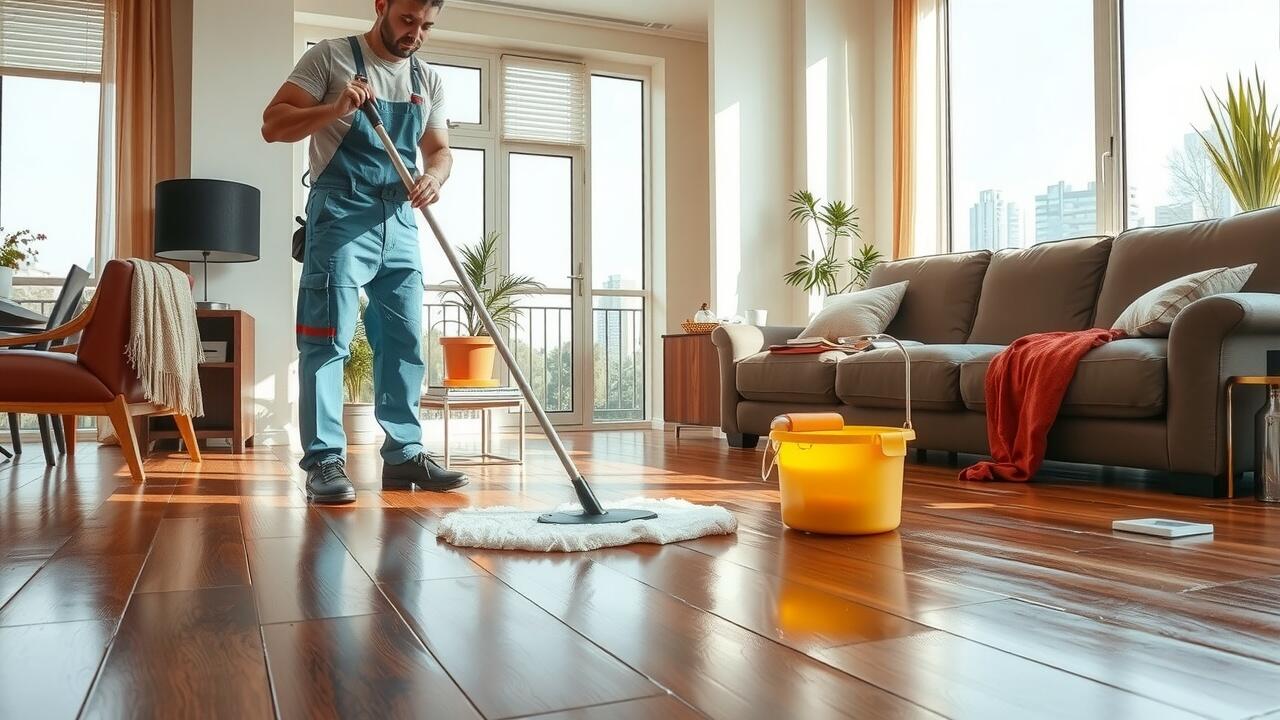
Mopping is often viewed as a straightforward chore, yet several common pitfalls can hinder effectiveness. One frequent mistake is neglecting to change the mop water. Dirty water can redeposit soil and grime back onto the floor, defeating the purpose of cleaning. Additionally, overlooking the importance of proper mop technique can lead to streaks and residues. Using too much cleaning solution can leave a sticky film, attracting dirt rather than removing it.
Another trap people fall into is failing to prepare the area before mopping. Skipping steps like sweeping or vacuuming can result in debris getting smeared around instead of being lifted away. People often use inappropriate mops for their flooring type, which can cause scratches or damage. Understanding the specific requirements of different surfaces ensures that mopping not only cleans but also protects the flooring material.
Eco-Friendly Mopping Options
Eco-friendly mopping options have gained popularity as more people seek sustainable cleaning solutions. Traditional cleaning products often contain harsh chemicals that can be harmful to both the environment and human health. Switching to biodegradable or plant-based cleaners provides a safer way to maintain cleanliness while minimizing impact on the planet. These alternatives break down naturally without releasing toxins into waterways, making them a more responsible choice for mopping.
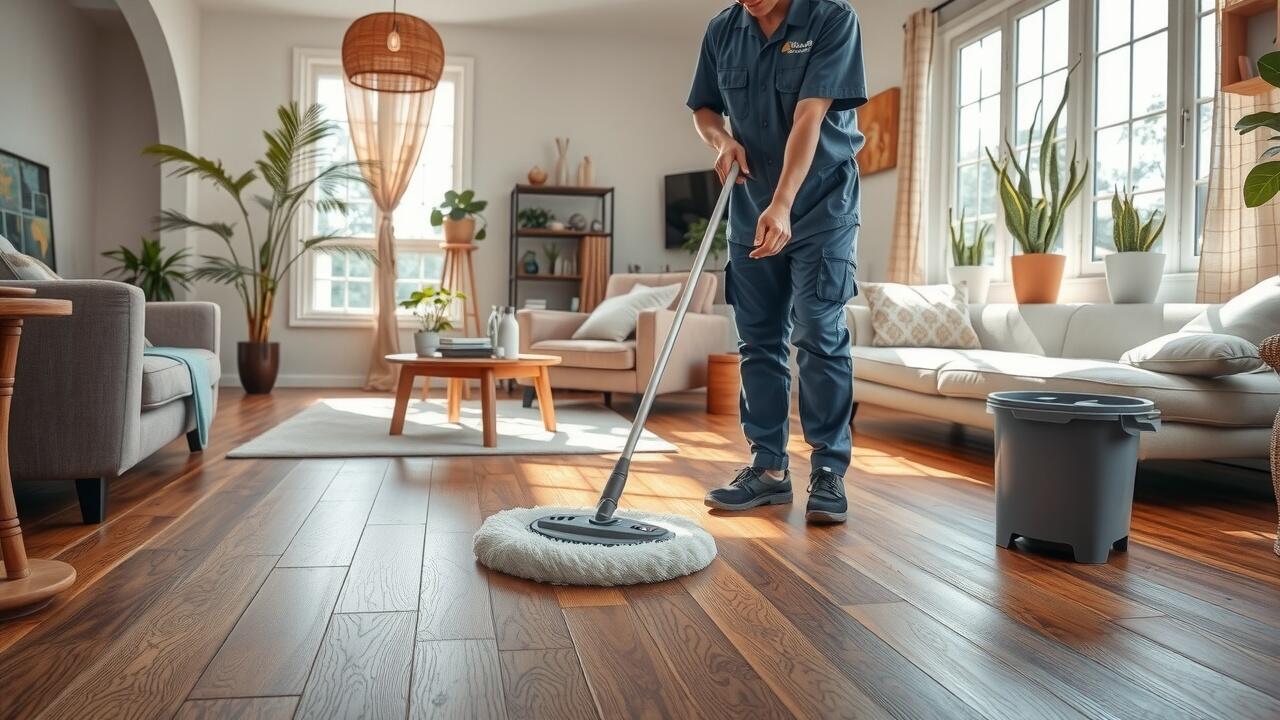
In addition to using greener cleaning solutions, consider tools designed with sustainability in mind. Microfiber mops, for example, require less water and cleaning product compared to conventional methods. They effectively capture dirt and grime without needing chemical-laden sprayers. By opting for reusable mop heads, you can also reduce waste associated with disposable options. Embracing these eco-friendly mopping practices contributes to a cleaner home and a healthier environment.
Sustainable Cleaning Solutions
Various sustainable cleaning solutions have emerged in response to the environmental concerns associated with traditional cleaning products. Brands now offer biodegradable mopping solutions that rely on plant-based ingredients instead of harsh chemicals. These eco-friendly options provide effective cleaning while minimizing the user's carbon footprint.
To complement these solutions, many households are adopting reusable mopping systems. These systems often include washable mop pads that reduce waste generated by disposable options. Using sustainable cleaning solutions for mopping not only promotes a healthier living environment but also contributes to the preservation of natural resources.
Mopping in Professional Settings
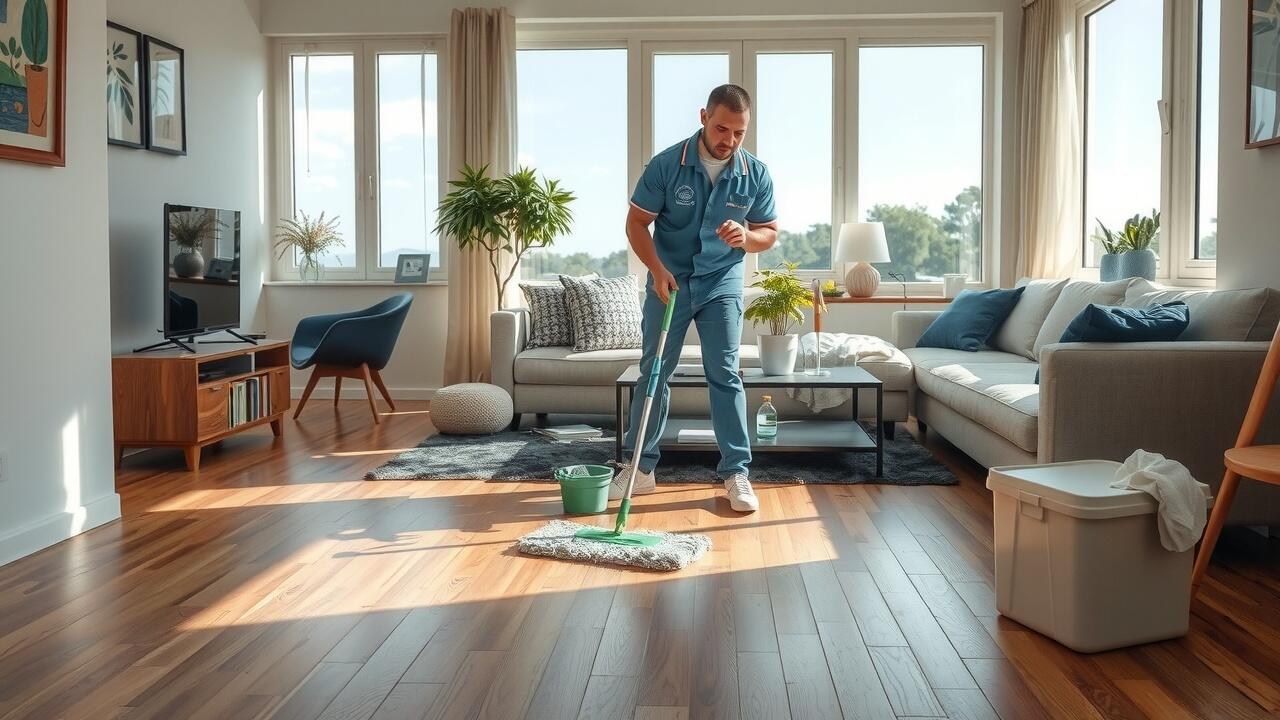
Mopping in professional settings requires a different approach than residential cleaning. The scale of the area necessitates efficient techniques and specialized equipment. Industrial-grade mops, for example, often feature microfiber materials that capture dirt and bacteria more effectively than traditional options. Facilities such as hospitals and schools prioritize hygienic protocols that dictate specific mopping routines to maintain cleanliness and prevent the spread of germs.
Commercial mopping involves consideration of various surfaces and types of flooring. This includes tile, hardwood, and laminate, each requiring tailored cleaning solutions and strategies. Staff may use commercial-grade cleaning solutions that are more potent than those typically found in household products. Additionally, adhering to a strict schedule for mopping can help maintain a professional appearance and uphold safety standards in high-traffic areas.
Commercial vs. Residential Mopping
Commercial mopping typically involves larger spaces such as offices, retail stores, and hospitals. These environments require more robust equipment like industrial mop buckets, microfiber mops, and automatic floor scrubbers. The frequency of mopping in commercial settings is usually higher due to increased foot traffic and the need for strict cleanliness standards. Efficiency and speed are crucial, often necessitating the use of specialized cleaning solutions to tackle stubborn stains or heavy grime.
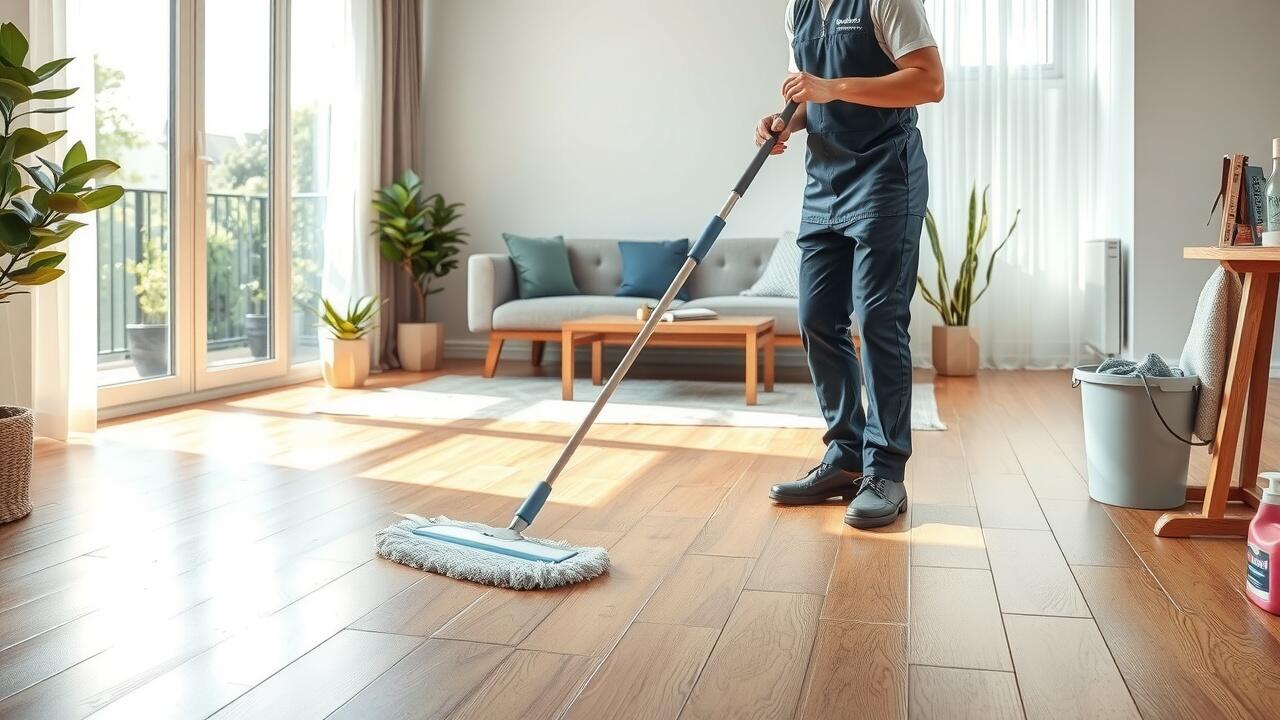
Residential mopping, on the other hand, focuses on smaller living spaces. Homeowners often use traditional mops or steam mops paired with eco-friendly cleaning solutions. The emphasis is often on maintaining a clean and hygienic home environment rather than meeting commercial cleanliness standards. Homeowners tend to mop less frequently, typically on a weekly basis or as needed, allowing for a more personal approach to cleanliness and the choice of natural products.
FAQS
What is the definition of mopping?
Mopping refers to the process of cleaning floors using a mop, which is a tool designed to absorb and remove dirt, spills, and other contaminants from various types of flooring.
Why is mopping important for maintaining cleanliness?
Mopping is essential for maintaining cleanliness because it not only removes visible dirt and debris but also eliminates germs and bacteria, contributing to a healthier living or working environment.
What are some common mistakes people make when mopping?
Common mistakes include using too much water, not changing the mop head frequently enough, and using the wrong cleaning solution for the type of flooring being cleaned.
Are there eco-friendly options for mopping?
Yes, there are several eco-friendly mopping options available, including reusable microfiber mops, natural cleaning solutions, and using plain water for mopping instead of chemical cleaners.
How does mopping differ in professional settings compared to residential cleaning?
In professional settings, mopping often requires more robust cleaning solutions, specialized equipment, and adherence to specific health and safety standards, while residential mopping may focus more on convenience and ease of use.