Table Of Contents
Common Misconceptions about Mopping
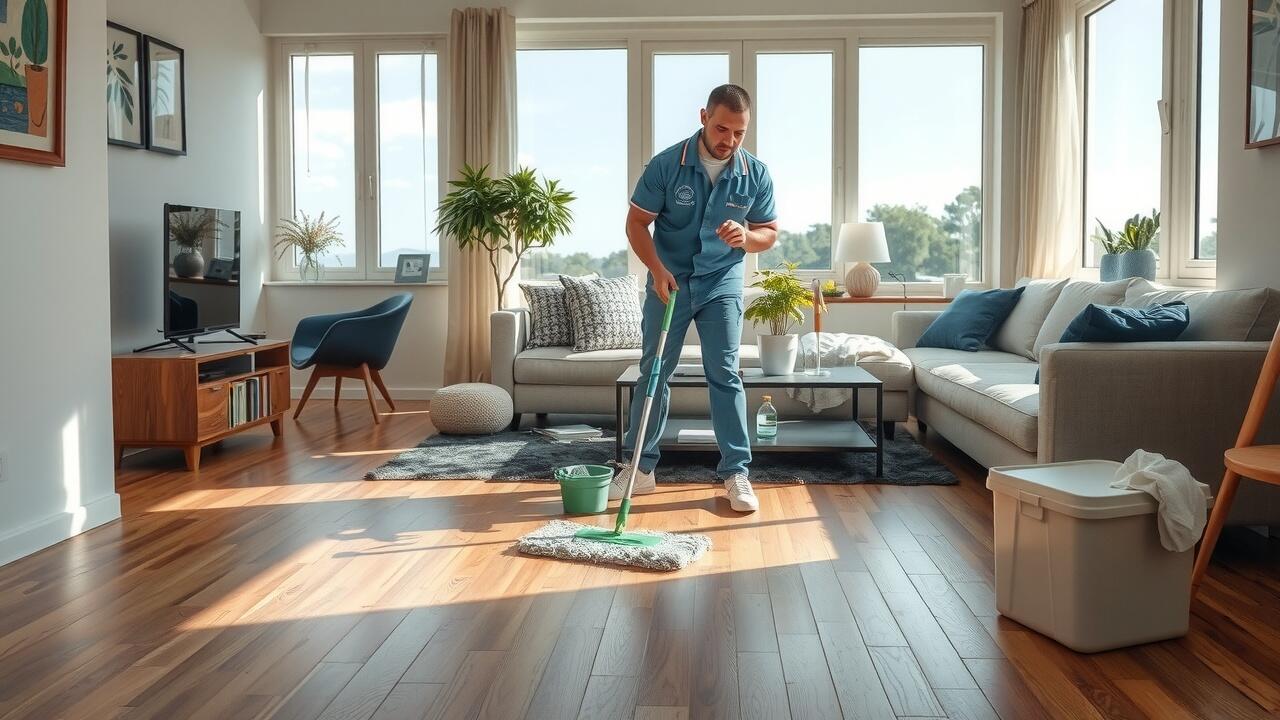
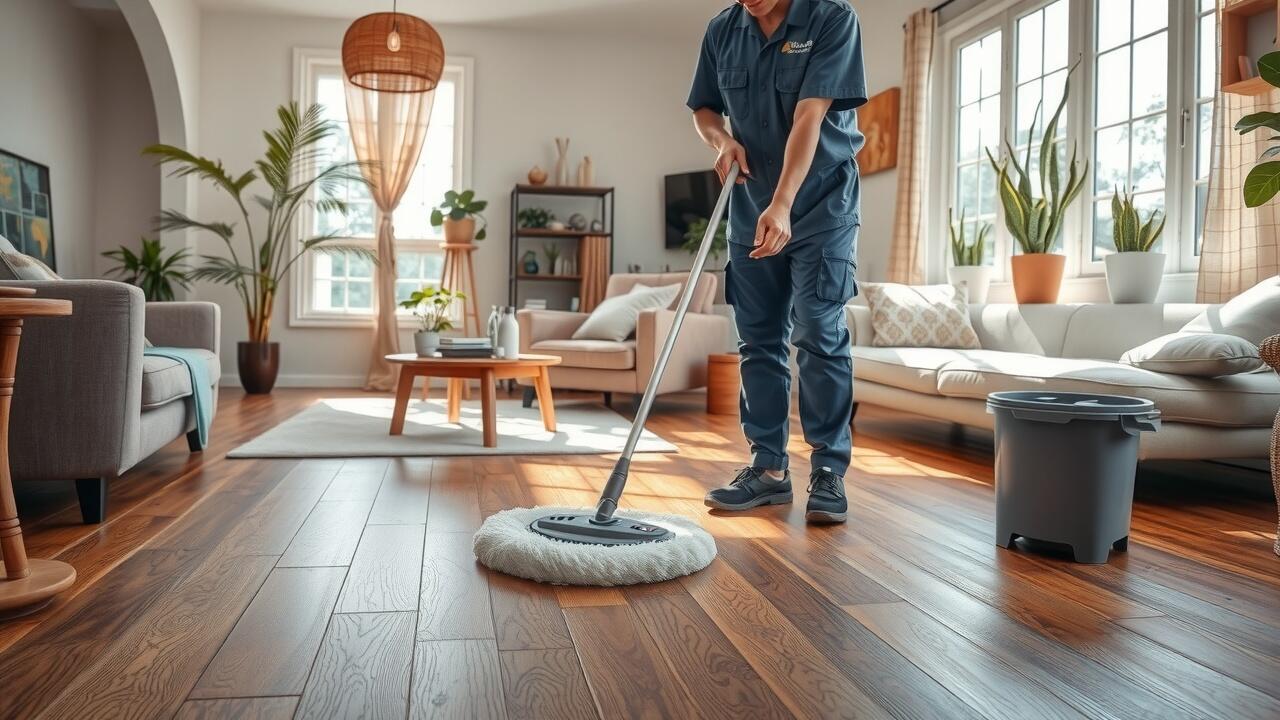
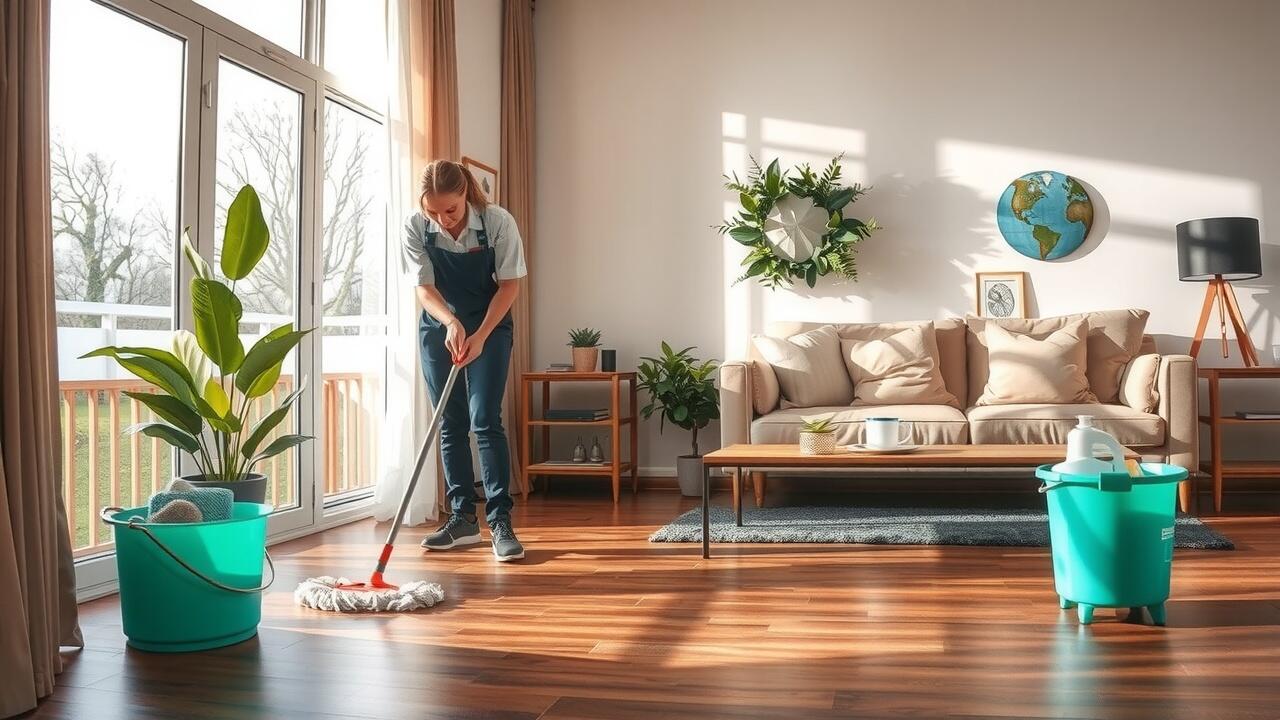
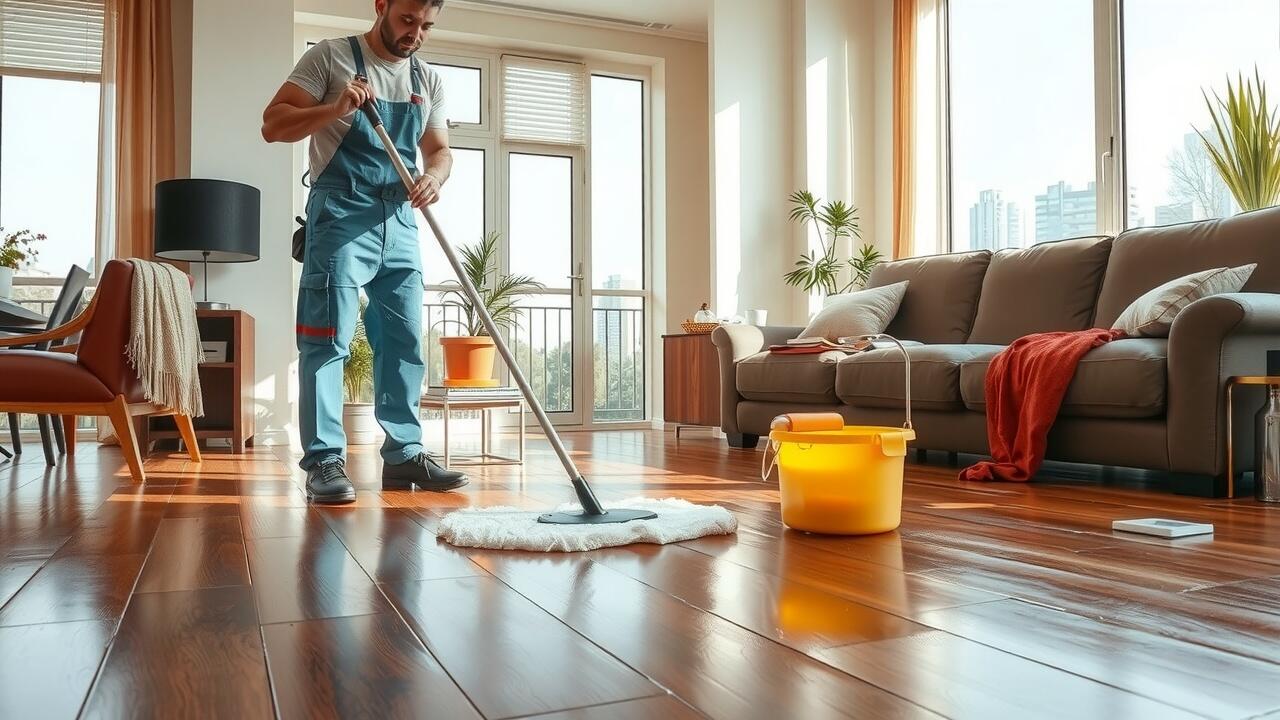
Mopping often conjures images of tedious chores and minimal effectiveness. Many people believe that mopping is simply a way to push dirty water around rather than truly cleaning the floor. This misconception overlooks the importance of selecting the right tools and techniques. Using a quality mop and appropriate cleaning solutions can significantly enhance cleanliness.
Another common misunderstanding is that mopping is unnecessary if no visible dirt remains. Some assume that a dry sweep or vacuum will suffice for routine cleaning. However, mopping plays a crucial role in removing germs and allergens that conventional cleaning methods may miss. Regular mopping not only refreshes the appearance of floors but also contributes to a healthier living environment.
Myths vs. Reality in Housekeeping
Housekeeping often comes with a variety of myths that can cloud the true purpose and effectiveness of certain tasks. One common misconception is that mopping alone is sufficient to keep floors completely clean. While mopping is an essential part of floor maintenance, it’s usually not enough on its own. Dust, dirt, and grime can accumulate, especially in high-traffic areas, making regular sweeping or vacuuming equally important.
Another myth suggests that any type of mop will do the job effectively. The reality is that different floor types require specific methods of cleaning. A sponge mop might work wonders on tile but could damage hardwood floors. Using the right equipment enhances the efficiency of mopping and helps maintain the integrity of the flooring material. Understanding these differences allows for better care and a more sustainable approach to housekeeping tasks.
Common Misconceptions about Moping
Moping is often misunderstood as simply feeling down or depressed, but many fail to recognize its deeper emotional implications. Some people assume that moping is solely about sadness, neglecting the fact that it can also be a response to frustration or disappointment. This narrow view overlooks the complexity of human emotions and reduces moping to a mere display of unhappiness, which can lead to judgment rather than understanding.
Another misconception about moping is that it is inherently a negative behavior. While prolonged moping can indicate the need for emotional support or introspection, taking time to reflect on one’s feelings can sometimes be beneficial. Just as mopping removes dirt and grime from a surface, moping can serve as a way for individuals to clear their minds and process their emotions. Recognizing this duality helps differentiate between the healthy and unhealthy expressions of feelings.
Distinguishing Feelings from Actions
Understanding the difference between feelings and actions is essential when discussing terms like "moping." Moping generally refers to a state of sadness or being in a low mood. It encompasses feelings of dejection and can often lead to inaction. On the other hand, mopping is a physical activity involving cleaning floors. While moping may convey a sense of emotional struggle, mopping represents a proactive approach to maintaining a clean space.
In conversations, using "mopping" in the correct context clarifies the intended meaning. If someone mentions they are mopping the floors, it clearly indicates they are engaged in a task. Distinguishing this from moping shows how important it is to convey the right actions versus feelings. By addressing both terms accurately, one can better differentiate between emotional states and physical activities, ensuring clearer communication.
Proper Usage of Mopping in Sentences
Mopping is a common household chore that focuses on cleaning floors using a mop and a cleaning solution. When discussing this activity, it is essential to incorporate the term in contexts that clearly indicate its purpose. For instance, one might say, "She spent the afternoon mopping the kitchen floor until it gleamed." This sentence not only highlights the act of mopping but also conveys the intention behind the task.
Another way to use "mopping" effectively is to describe the setting or routine involved in cleaning. For example, "Every Saturday morning involves mopping the living room and dining area as part of the weekly cleaning schedule." This usage emphasizes the frequency of mopping as an established practice, illustrating its role in maintaining a tidy home.
Examples of Mopping in Context
Mopping often brings to mind images of a wet floor and a resilient effort to maintain cleanliness. When discussing domestic chores, it is common to use phrases like, "I spent the afternoon mopping the kitchen floor until it sparkled." This clearly illustrates the action taken and highlights the focus on tidiness. Such statements emphasize the importance of keeping living areas presentable and show that mopping is integral to routine housekeeping.
In more casual contexts, one might find phrases like, "After mopping, I felt a sense of accomplishment." This conveys the emotional reward that often accompanies completing household tasks. Both examples highlight how mopping is not just an act of cleaning, but also a reflection of personal responsibility and pride in one's environment. The use of mopping in these sentences shows its relevance in everyday life, underscoring the importance of maintaining a clean space.
FAQS
What is the difference between mopping and moping?
Mopping refers to the action of cleaning floors with a wet mop, while moping is a term used to describe feeling sad or dejected.
Can I use "mopping" in any context?
"Mopping" is specifically used in contexts related to cleaning, particularly when referring to floors or surfaces that need to be cleaned with a mop.
What are some common misconceptions about mopping?
Some common misconceptions include the belief that mopping alone is sufficient for cleaning or that it can effectively sanitize surfaces without the use of additional cleaning products.
Is "moping" only associated with sadness?
While "moping" primarily describes a state of sadness or dejection, it can also imply a lack of energy or enthusiasm, often connected to feeling overwhelmed.
Can you provide an example of how to use "mopping" in a sentence?
An example of "mopping" in a sentence is: "After the party, I spent the whole afternoon mopping the kitchen floor to remove the stains."