Table Of Contents
Treating Stains and High-Traffic Areas
When addressing stains on your carpet, prompt action is essential for effective removal. Begin by identifying the type of stain and selecting an appropriate cleaning solution. For fresh spills, blot the area with a clean cloth to absorb the liquid without rubbing. A mixture of white vinegar and water often works wonders on many stains, breaking down substances while being gentle on the carpet fibers. For tougher stains like red wine or grease, consider using a specialized carpet cleaner formulated for those specific challenges.
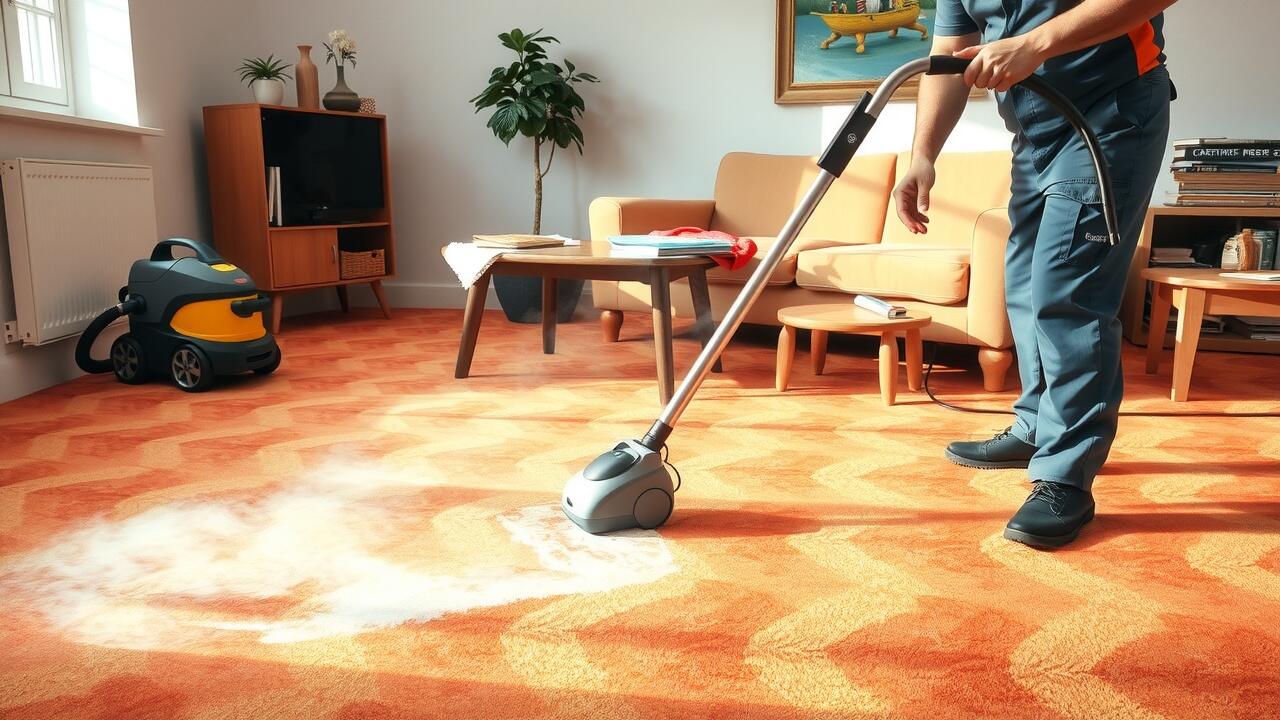
High-traffic areas of the carpet can accumulate dirt and become discolored over time. Regularly vacuuming these spots helps prevent buildup. For deeper cleaning, focus on these areas when using a carpet cleaner, applying extra attention to ensure the fibers are adequately treated. Use a stiff-bristled brush to gently scrub the surface, allowing the cleaning solution to penetrate deeper into the carpet's fibers. Ensuring thorough cleaning in these frequently used zones will keep your carpets looking fresh and prolong their lifespan.
DIY Solutions for Common Carpet Stains
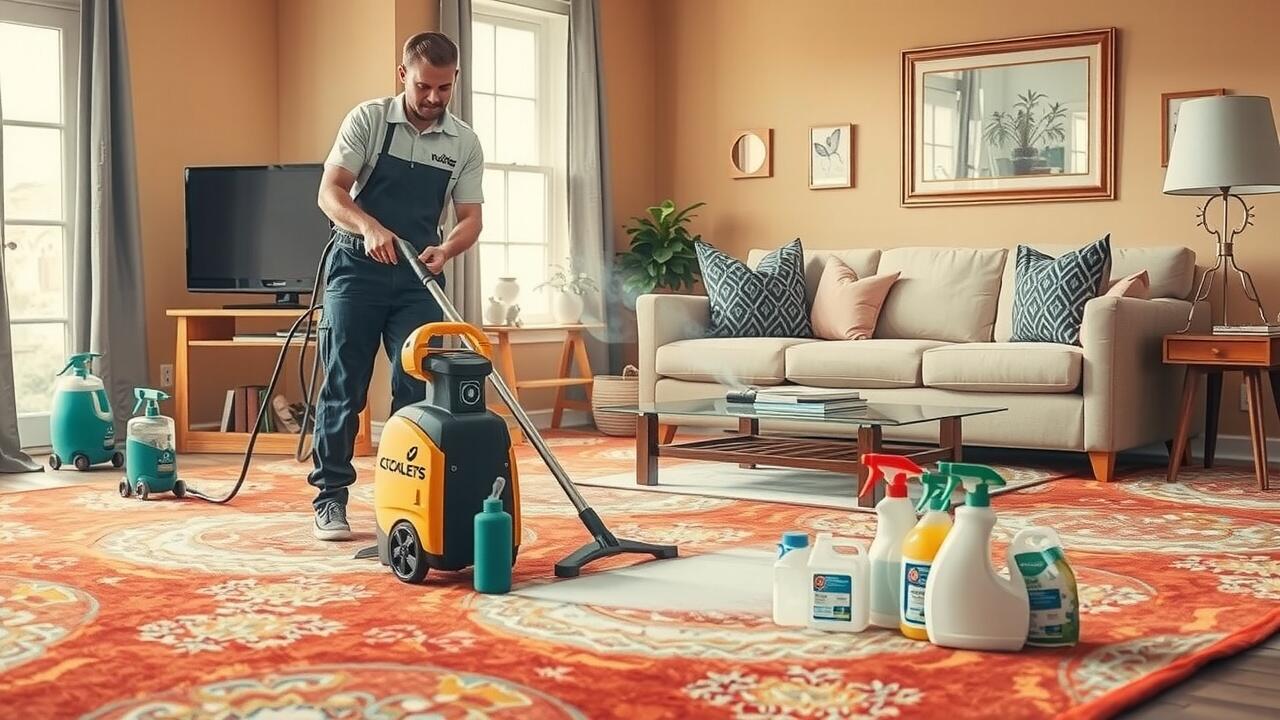
Many common carpet stains can be effectively treated with simple DIY solutions, eliminating the need for professional carpet cleaning services. For a basic approach, combine one tablespoon of dish liquid with two cups of warm water. This mixture works well on oily stains such as grease or food spills. Apply a small amount of this solution onto a clean, white cloth, blot the stain gently, and then rinse the area with cold water.
Another effective method involves using white vinegar, which is particularly useful for deodorizing and removing light stains. Mix equal parts of white vinegar and water in a spray bottle. Spray the solution directly onto the stain, allowing it to sit for a few minutes before blotting with a clean cloth. Both methods are effective for maintaining carpets and can prevent the need for deeper carpet cleaning routines in the future.
Deep Cleaning with a Carpet Cleaner
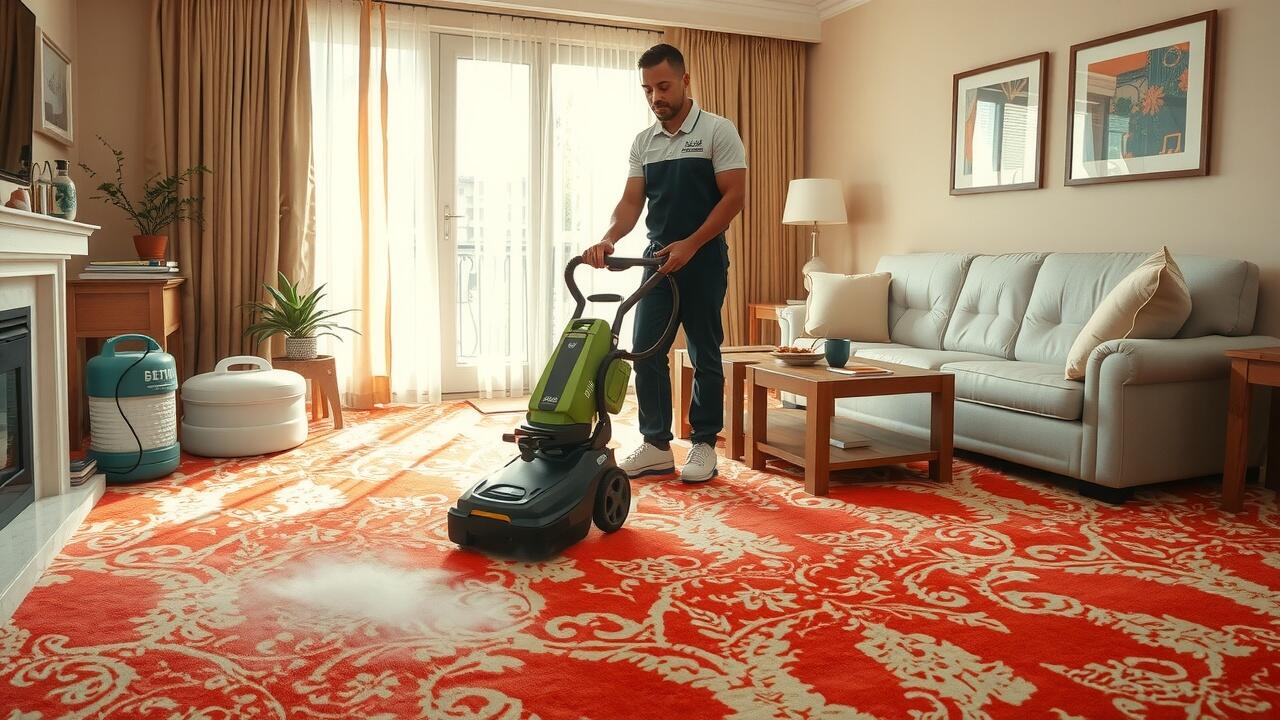
Using a carpet cleaner can transform your carpets and give them a fresh look. Begin by thoroughly vacuuming the entire area to remove any loose dirt and debris. This step is crucial as it ensures that the cleaning solution penetrates deep into the fibers, maximizing its effectiveness. Fill the carpet cleaner’s reservoir with a suitable carpet cleaning solution, following the manufacturer’s instructions for dilution and mixing.
Once the machine is ready, start cleaning from one corner of the room, working your way across in a systematic manner. Slowly push the cleaner forward while dispensing the solution and then pull it back to extract the dirt. Overlap each pass slightly to ensure complete coverage. After cleaning, it’s essential to allow ample time for the carpet to dry before walking on it. Proper carpet cleaning techniques can significantly extend the lifespan of your flooring and improve the overall appearance of your home.
Step-by-Step Guide to Using a Machine
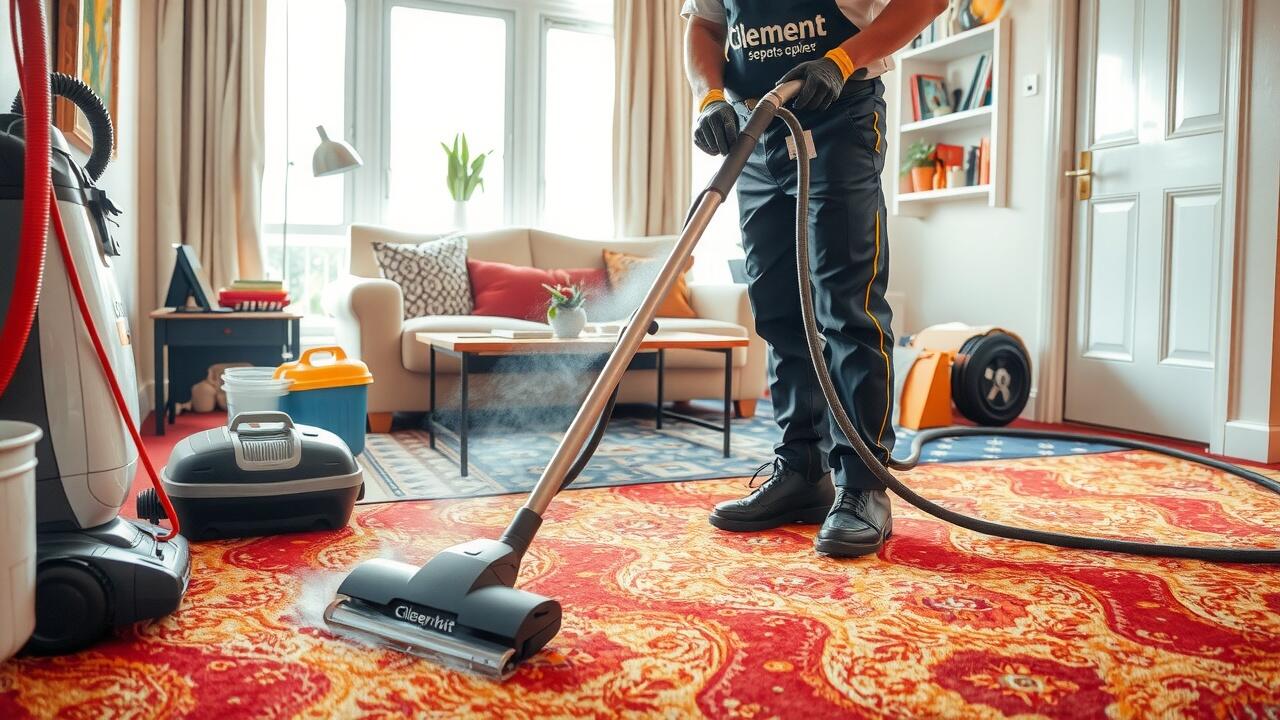
Begin by preparing the area you intend to clean. Remove furniture and any items from the carpet to ensure you have clear access. Vacuum thoroughly to remove loose dirt and debris. This step is essential as it allows the carpet cleaning machine to work more effectively. Fill the machine's tank with water and the recommended carpet cleaning solution, following the manufacturer's instructions closely.
Plug in the machine and start at one corner of the room, working your way across. Move the machine slowly to allow the solution to penetrate the fibers thoroughly. After making one pass, go back over the area to extract the dirty water. Make sure to overlap each pass slightly to ensure even cleaning. Continue this process until you've covered the entire carpet, paying extra attention to high-traffic areas where dirt accumulates more easily.
Drying and Maintaining Clean Carpets
After deep cleaning your carpets, proper drying is essential to prevent mold, mildew, and unpleasant odors. Ensure good ventilation in the room by opening windows and using fans to circulate air. If possible, run a dehumidifier to absorb excess moisture. Avoid walking on freshly cleaned carpets until they are completely dry. Placing absorbent towels on high-traffic areas can help speed up the drying process by soaking up moisture.
Regular maintenance extends the life of your carpets and keeps them looking fresh. Vacuuming at least once a week helps remove dirt and debris, while addressing spills promptly prevents stains from setting in. Consider scheduling professional carpet cleaning every 12 to 18 months to deep clean and revitalize your carpets. In between sessions, using carpet cleaning solutions specifically designed for spot treatments can effectively manage stains and maintain a clean appearance.
Best Practices for Quick Drying
To ensure your carpet dries quickly after cleaning, proper ventilation is essential. Open windows and doors to create airflow. Using fans can expedite the drying process; positioning them strategically in the room helps circulate air efficiently. If the weather permits, consider placing the carpet outside for natural drying. This method can dramatically decrease the drying time while also freshening up the fabric.
Avoid walking on the carpet until it is completely dry to prevent dirt from re-soiling it. Placing absorbent towels on high-traffic areas can help soak up excess moisture. Keep the room temperature warm, as warmth encourages faster evaporation. Following these best practices will enhance your carpet cleaning results, leaving you with a fresh, clean surface.
FAQS
What supplies do I need for deep cleaning my carpet?
You will need a vacuum cleaner, carpet cleaning solution (either store-bought or homemade), a carpet cleaner machine, and possibly other items like a scrub brush, towels, and a spray bottle for stain treatments.
How often should I deep clean my carpet?
It is generally recommended to deep clean your carpet every 6 to 12 months, depending on foot traffic and any stains that may occur. High-traffic areas may require more frequent cleaning.
Can I use homemade solutions for carpet cleaning?
Yes, many homemade solutions can effectively clean carpets, such as a mix of vinegar and water, or baking soda for deodorizing. However, always test a small area first to ensure it doesn't damage your carpet.
How long does it take for carpet to dry after deep cleaning?
Drying time can vary, but typically it takes around 6 to 12 hours for carpets to dry completely after deep cleaning. Using fans and ensuring proper ventilation can help speed up the drying process.
What should I do if a stain doesn't come out after cleaning?
If a stain persists after your initial cleaning efforts, you may need to repeat the cleaning process, try a different cleaning solution, or consider consulting a professional carpet cleaner for tough stains.